Healthy rivers and prosperous regional communities are not competing ambitions. Through its Sustainable Rivers Program, the Gulbali Institute demonstrates how research, technology, First Nations knowledge and enduring partnerships can help achieve both.
From bringing a critically endangered native fish back from the brink of extinction to making scarce environmental water work harder, Charles Sturt researchers are turning knowledge into practical action for working rivers.
Solutions developed in regional Australia are also reaching communities overseas, helping restore river connectivity, strengthen fisheries and support livelihoods across Southeast Asia and Africa.
The Sustainable Rivers Program and its partners have:
Australia’s rivers are the lifeblood of regional communities. They support food production, tourism and recreation, sustain First Nations cultures and care for some of the country’s most important freshwater ecosystems.
The Murrumbidgee region illustrates what is at stake. It produces around 50 per cent of Australia’s rice, 42 per cent of New South Wales grapes and 25 per cent of the state’s fruit and vegetables. Agriculture contributes approximately $1.8 billion annually to the regional economy, while the Murrumbidgee Irrigation Area contributes an estimated $5 billion to the national economy. It also supports 16 wetland complexes of National Significance, the second largest river red gum forest in Australia and 127 nationally listed threatened species.
The rivers underpinning this prosperity are under increasing pressure. Water extraction, irrigation, development and habitat modification have changed how river systems function. Climate change and increasingly variable water availability are adding further pressure.
Native fish populations across the Murray–Darling Basin are now estimated to be at around 10 per cent of pre-European levels.
The challenge is not choosing between healthy rivers and prosperous communities. It is finding practical ways for both to thrive.
Charles Sturt established the Sustainable Rivers Program to help meet that challenge by bringing together science, technology and community knowledge.
As a regional university, Charles Sturt has an important advantage. Its researchers live and work alongside the farmers, First Nations communities, water managers, governments and industries whose futures are closely connected to the health of Australia’s rivers.
At Charles Sturt’s Albury–Wodonga campus, researchers have demonstrated that extinction is not inevitable for one of Australia’s rarest native fish.
The critically endangered Stocky Galaxias survives in a small area of the Snowy Mountains. At one point, only around 3,000 fish were thought to remain in the wild, restricted to a single 20-kilometre stretch of creek and vulnerable to catastrophic events such as bushfires, drought and the introduction of invasive species.
Through a strategic partnership with Snowy Hydro, Charles Sturt established the world’s only active captive-breeding program for the species.
Researchers recreated the fish’s alpine-stream habitat inside a laboratory at the University’s Albury–Wodonga campus. They successfully bred Stocky Galaxias in captivity before releasing fish into carefully selected waterways in Kosciuszko National Park.
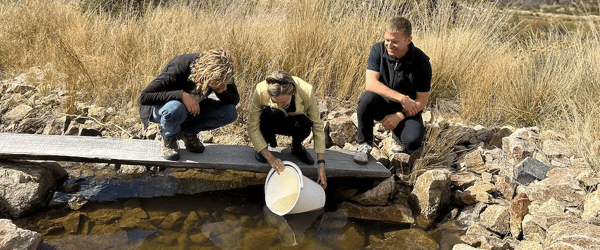
The reintroductions have increased the known wild population by almost 30 per cent and expanded the number of waterways containing the species from one to three.
The work is helping create additional populations so the survival of the entire species no longer depends on the condition of a single creek.
Through the partnership, Charles Sturt researchers are developing practical measures to protect threatened native fish while supporting the responsible delivery of nationally significant renewable-energy infrastructure.
Charles Sturt researchers are also using genetic technology to search for a Macquarie Perch population feared to have disappeared.
The population has not been formally recorded since the 2000s and is now considered locally extinct. However, people within the local community believe some fish may remain in isolated parts of the river system.
Researchers have extracted DNA from a single preserved fish scale and are using it to reconstruct genetic markers unique to the missing population. These markers can then be used to analyse environmental DNA collected from waterways and look for evidence that survivors remain.
The project is using a small genetic trace from the past to guide conservation action today. If the population is found, researchers and river managers will have an opportunity to protect it before it disappears completely.
Although the Stocky Galaxias and Macquarie Perch projects use different approaches, they have the same urgent purpose: turning research into practical intervention before threatened species are lost.
Water is one of regional Australia’s most valuable and contested resources. It sustains farms, towns, rivers and wetlands, but there is rarely enough to meet every demand.
Achieving better environmental outcomes cannot depend solely on securing more water. Water managers also need evidence that helps them gain the greatest possible ecological benefit from the water already available.
Using satellite imagery, hydrological modelling and ecological monitoring, Charles Sturt researchers are building a more detailed understanding of how water moves through entire wetland and floodplain systems.
Rather than examining wetlands individually, researchers track water as it travels across the landscape. This allows water managers to identify opportunities for the same volume of water to support multiple wetlands, native vegetation communities and threatened-species habitats.
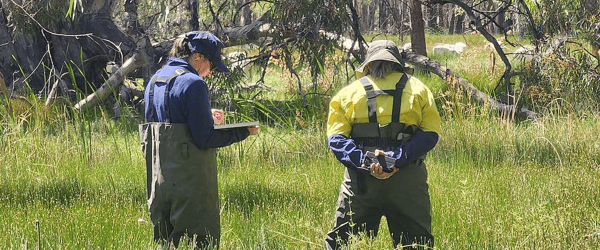
In regions where every litre has environmental, agricultural and economic value, achieving more with the water already available can reduce pressure on a contested resource.
The result is a more connected approach to environmental water management - one that considers how decisions made in one part of a floodplain may create benefits elsewhere.
Technology is only one part of the solution. First Nations people bring knowledge developed through thousands of years of observing, managing and caring for river and wetland landscapes.
At Gayini, on the Lowbidgee floodplain, Charles Sturt researchers have worked alongside Nari Nari Tribal Council rangers to combine on-Country knowledge with drones, multispectral imagery and satellite monitoring.
The rangers’ knowledge of the landscape helps determine where and how information is collected. Contemporary scientific tools provide additional ways to observe environmental changes across large and sometimes inaccessible wetland areas.
Together, these knowledge systems are helping build a more complete understanding of how flooding affects wetland vegetation.
This information can support decisions about environmental water, habitat restoration and land management while recognising the essential role of First Nations people in caring for Country.
The pressures facing Australian rivers are not unique. Around the world, river systems are being asked to produce food and energy, maintain biodiversity and support communities and livelihoods—often with increasingly limited water.
Experience gained through Charles Sturt’s regional and national river research is now contributing to major initiatives in Africa and Southeast Asia.
The Sustainable African Rivers Initiative, developed in partnership with Oppenheimer Generations and African collaborators, is supporting work to restore degraded rivers in East Africa.
A dedicated research base in South Africa is helping support applied research and develop the next generation of African river scientists. Importantly, the initiative is designed as a two-way exchange through which Australian and African researchers and communities can learn from one another.
In Southeast Asia, research led by Charles Sturt has helped reconnect more than 3,900 kilometres of river and 14,000 hectares of aquatic habitat, benefiting more than 50,000 households that depend on healthy fisheries.
The $9.5 million FishTech Plus program is building on that foundation by expanding river-restoration technologies and expertise across Cambodia, Lao PDR, Thailand and Vietnam.
Research initially undertaken to address fish-passage challenges in Australian rivers is now helping other countries restore river connectivity, strengthen food security and support communities whose livelihoods depend on freshwater fisheries.
The Sustainable Rivers Program demonstrates the contribution regional universities can make to complex environmental challenges: long-term relationships, locally grounded knowledge and research designed for practical application.
Across its work, Charles Sturt and its partners are helping threatened species recover, improving the use of scarce environmental water, combining First Nations knowledge with emerging technology and translating Australian river science into international action.
This work is united by a clear purpose - to find practical ways for healthy rivers and regional communities to thrive together.
By working alongside the people who manage, use and care for rivers, Charles Sturt is developing solutions grounded in the realities of regional Australia. When those solutions succeed locally, their impact can extend far beyond it.
Learn more about the Sustainable aquatic systems at the Gulbali Institute: Sustainable aquatic systems - Gulbali Institute
Charles Sturt University aligns our research, policies, procedures, and other work with the UN Sustainable Development Goals (SDGs). These are the most relevant SDGs for this initiative.



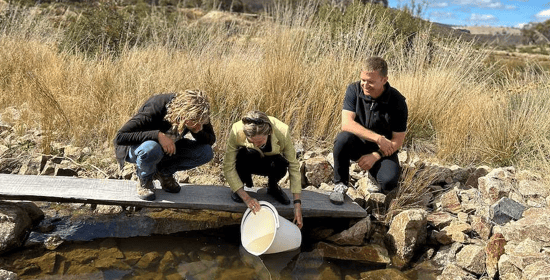
Charles Sturt University researchers are working with communities and partners to protect threatened species, improve river management and develop practical solutions that support healthier rivers and prosperous regional communities.
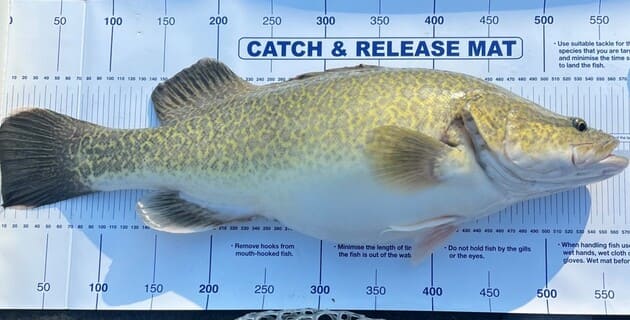
Charles Sturt researchers have identified and described Procamallanus australiensis, a nematode species previously unknown to science. The discovery expands knowledge of Australia’s freshwater biodiversity and provides an important foundation for fish health, conservation and biosecurity surveillance.

Digital health is now part of everyday healthcare, but universities have lacked a consistent national framework for teaching these essential skills. Charles Sturt researchers and educators have helped develop a new toolkit to prepare future health professionals for safe, effective and technology-enabled care.

When young people come into contact with the criminal justice system, the public conversation can quickly become dominated by labels: offender, delinquent, troublemaker. But what happens when we look beyond those labels and try to understand the experiences of the young people behind them?

Charles Sturt University is helping improve emissions transparency across the beer supply chain through a partnership with Asahi Beverages focused on barley production in Victoria’s Wimmera region.

Researchers at Charles Sturt University's School of Education are investigating ways to make education systems more inclusive, equitable, and responsive to modern challenges.

Research from Charles Sturt University’s Australian Graduate School of Policing and Security (AGSPS) and Centre for Law and Justice (CLJ) is influencing law reform at both state and national levels.
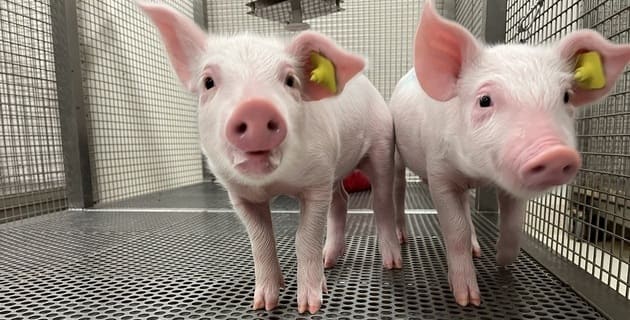
Professor Bing Wang is leading research with piglet models to determine exactly how components in human breast milk may affect neurodevelopment, neuroprotection and cognitive function in early life.
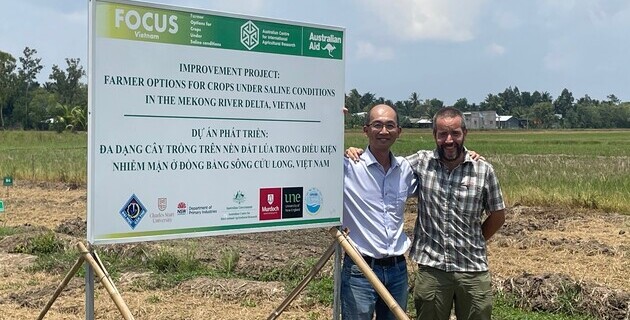
Soil researchers at Charles Sturt University and Can Tho University in southern Vietnam are working together to plot a more productive path forward for rice farmers and their farms in the Mekong River Delta.
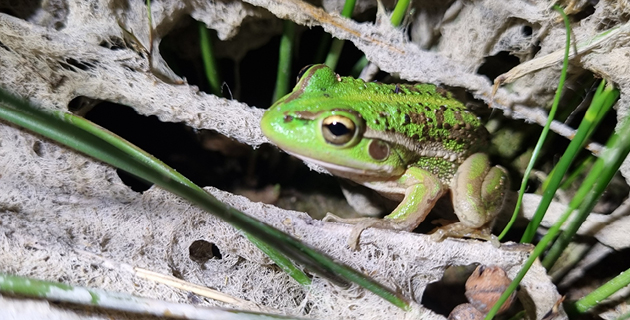
Professor Andrew Hall is leading an effort to improve the mapping of the Murray-Darling wetlands to inform water management planning and maximise the ecological benefits from limited environmental water flows.
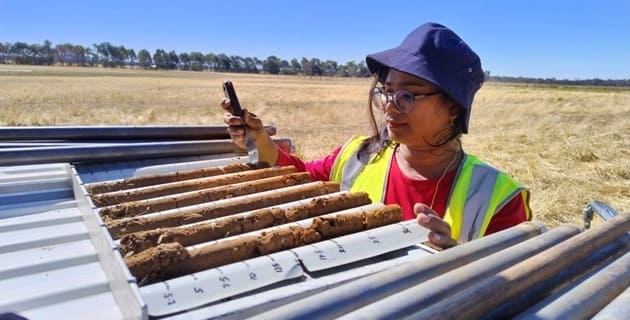
A new multi-phase study is exploring a promising, sustainable solution to soil salinity – using bio-fertiliser-based organic amendments to restore balance, improve nutrient uptake and reduce salt stress in crops.

Charles Sturt researchers have codeveloped the Australian Wine Industry Gender Equity Toolkit, a Wine Australia and Australian Grape & Wine resource to support the practical advancement of gender equity and inclusivity practices across the Australian wine sector.

Charles Sturt University’s Gulbali Institute named one of four key nodes for the Grains Research and Development Corporation’s landmark $47 million Weed Management Initiative.
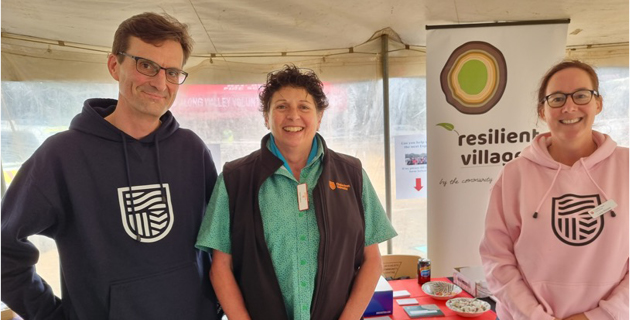
Action research supports Resilient Villages project to build disaster resilience in vulnerable Blue Mountains communities.
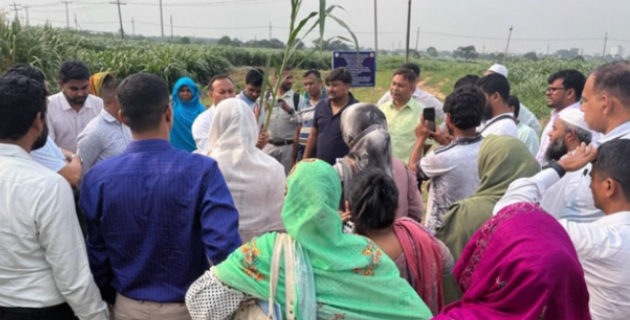
Professor Cameron Clark delivered a training program at the Bangladesh Livestock Research Institute to improve Napier grass management.
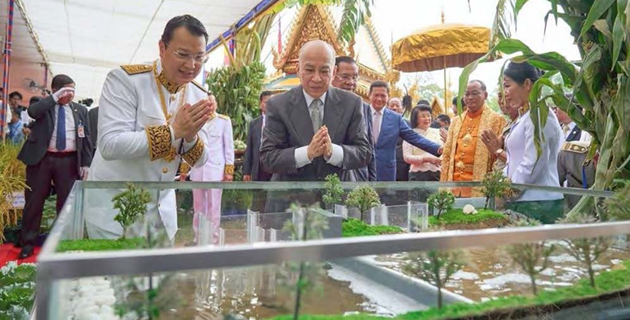
The Gulbali Institute-led FishTech Cambodia project was presented to the King, the Prime Minister and other senior officials during the National Ploughing Ceremony in Cambodia.
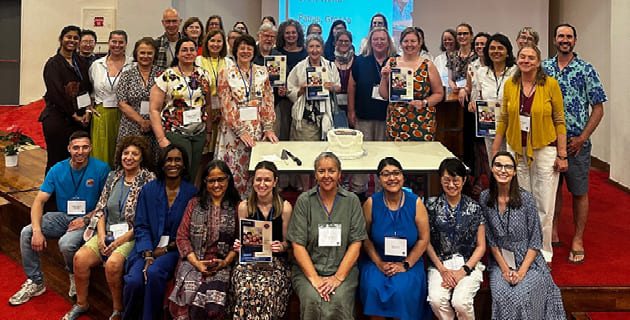
The Oxford Handbook of Speech Development in Languages of the World, edited by Distinguished Professor Sharynne McLeod, represents a landmark contribution to inclusive, multilingual speech research.
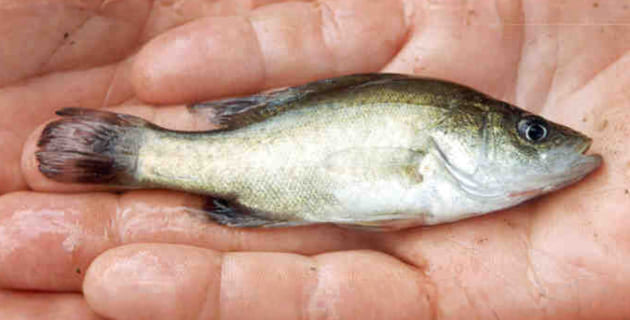
Researchers are tagging and acoustically tracking migrating fish in the Murray-Darling Basin to recover our native fish populations and revive our rivers.
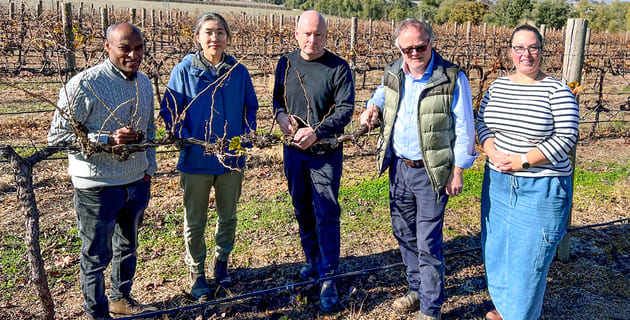
Winemakers, apple and cherry producers in the Central West, southern NSW and Tasmania will be better prepared for future droughts after a funding grant of $7.94 million was awarded to Charles Sturt University for a new research project.
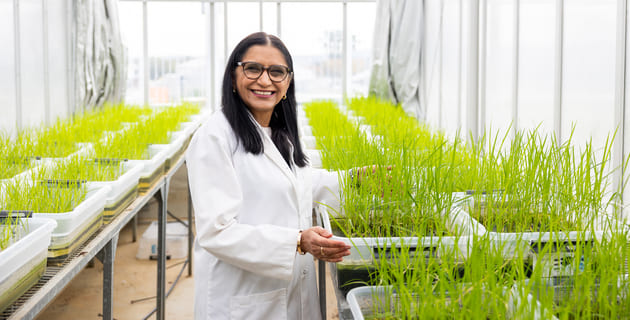
Research highlights the potential of dsRNA-based biopesticides for sustainable agriculture.
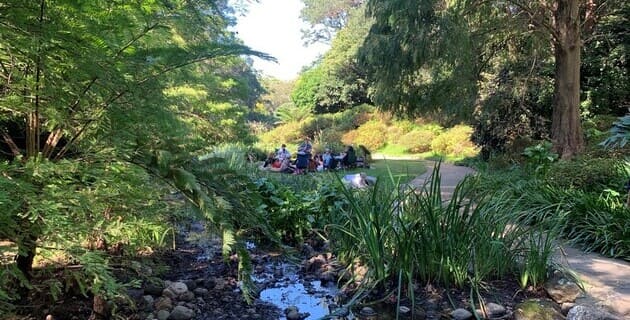
Charles Sturt researchers are assessing how nature-based interventions may provide mental health benefits and could be structured to implement within existing mental health services.
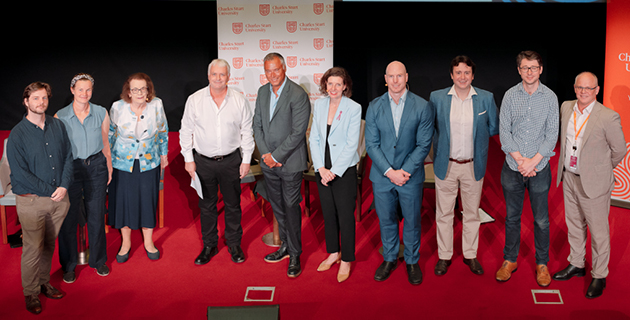
Charles Sturt University launched an Audit of the current state of Australian democratic life in February 2025.

Charles Sturt academics participate in research to reduce the debilitating effects of knee osteoarthritis.
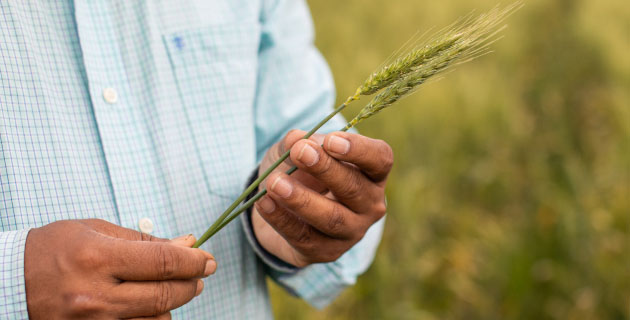
The Cool Soil Initiative at Charles Sturt is a paddock-to-product partnership.
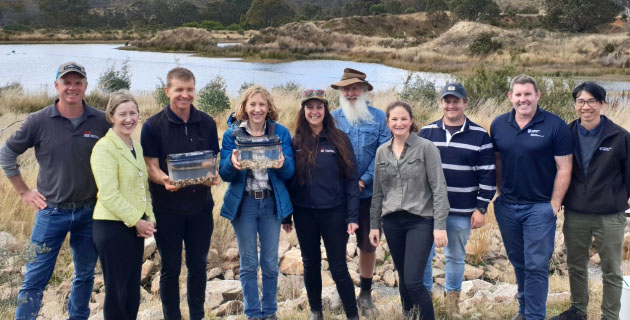
Researchers at the Gulabali Institute, led by Dr Amina Price, have successfully bred the critically endangered Stocky Galaxias in captivity for the second consecutive year.

Two leading Charles Sturt University researchers have been named in an annual celebration of Australian research excellence across 250 disciplines.

AI and Cyber Futures Senior Research Fellow and Program Lead of Defence and Cybersecurity, Dr Fendy Santoso, has successfully secured federal government funding to enhance the resilience of cybersecurity measures for unmanned aerial vehicle (UAV) systems.
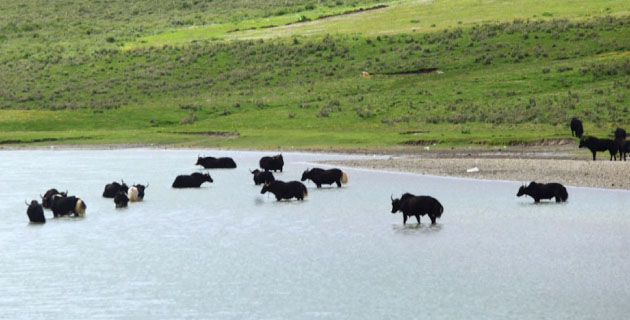
Professor Allen Ross from the Rural Health Research Institute and colleagues have just published a ground-breaking NHMRC-funded trial that will help eliminate schistosomiasis in Asia.
Our Cool Soil Initiative has secured close to $2.1 million AUD to spearhead research in sustainable agriculture and expand the Initiative into new regions and commodities.