Charles Sturt researchers have identified and described Procamallanus australiensis, a nematode species previously unknown to science. The discovery expands knowledge of Australia’s freshwater biodiversity and provides an important foundation for fish health, conservation and biosecurity surveillance.
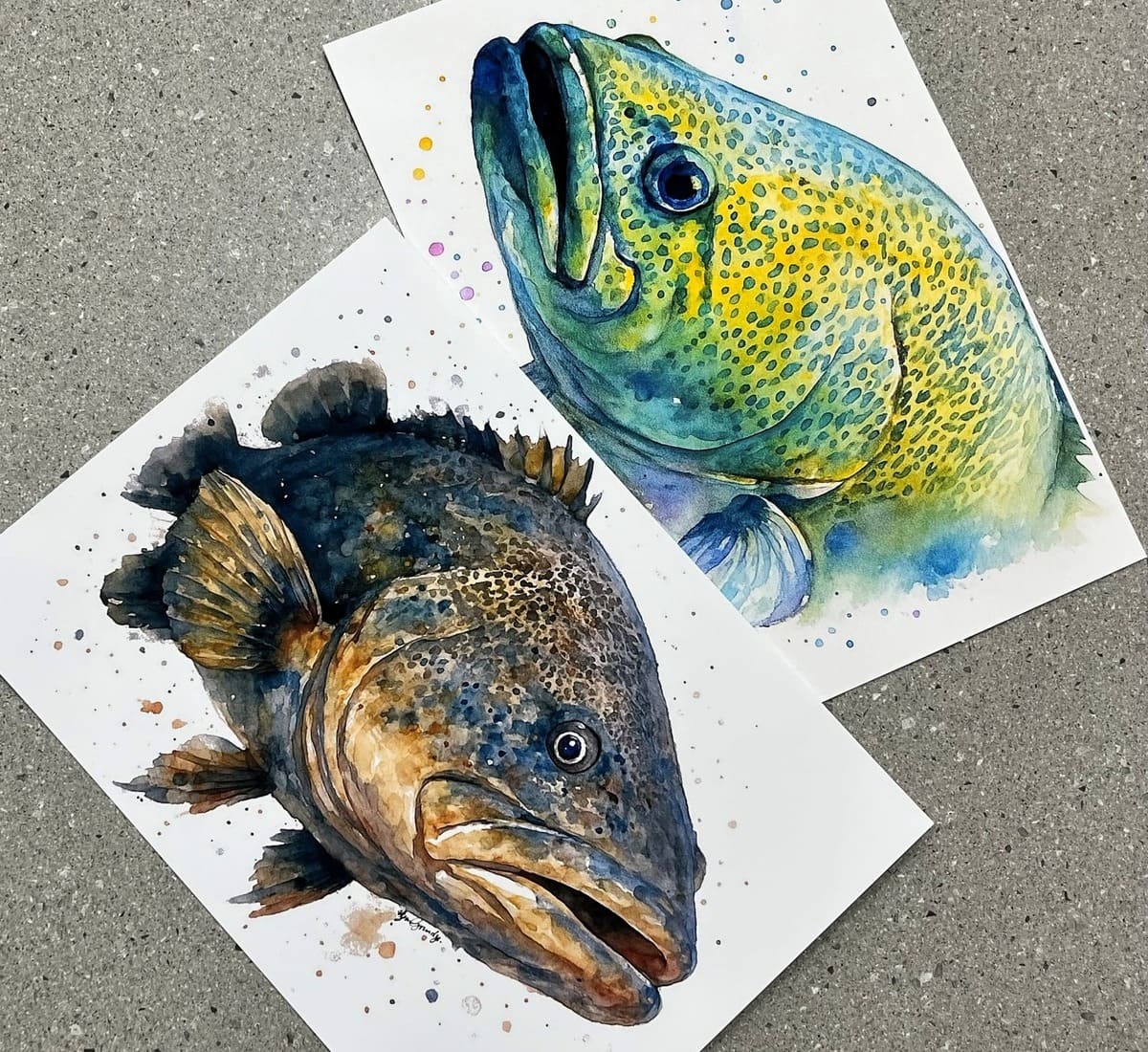
Artwork by Kym Grundy
Australia is renowned for its unique wildlife, from koalas and kangaroos to platypuses and native freshwater fish. Yet far less is known about the parasites that have evolved alongside these animals and the role they play in aquatic ecosystems.
New research from Charles Sturt University has helped fill this knowledge gap by identifying and formally describing a nematode species previously unknown to science.
The species, Procamallanus australiensis sp. nov., was discovered in Australian native freshwater fish and described in the journal Marine and Freshwater Research by Professor Shokoofeh Shamsi from the Gulbali Institute and Charles Sturt Veterinary Science graduate Kym Grundy.
The study provides an important new reference point for researchers, veterinarians and aquatic animal health professionals seeking to understand parasite diversity, fish health and future biosecurity surveillance in Australian freshwater ecosystems.
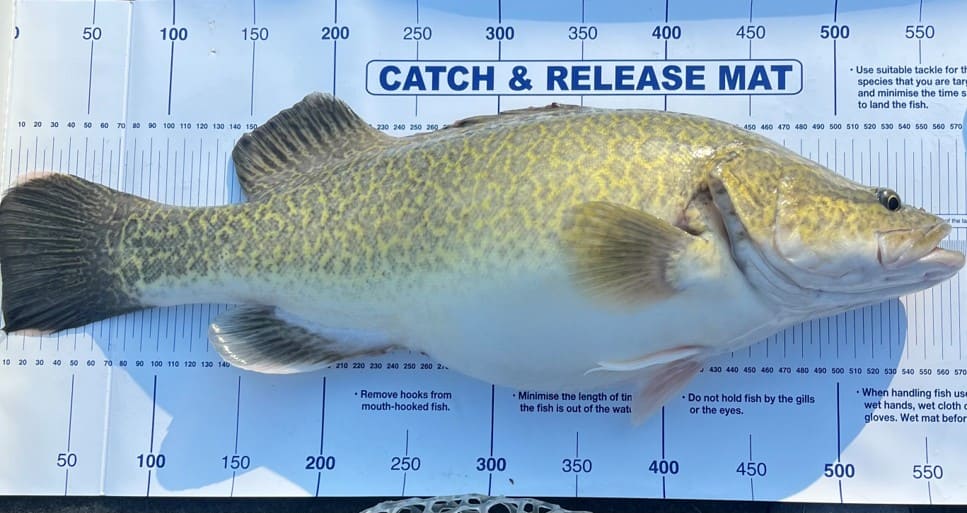
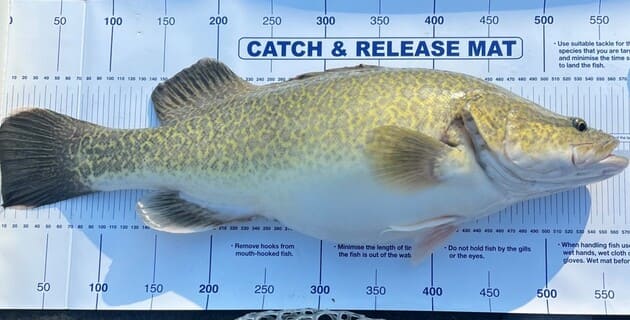
Murray cod were among the native freshwater fish examined during the study, which revealed previously overlooked parasite diversity in Australian waterways
Parasites are an important part of biodiversity, but those found in Australian freshwater fish remain poorly understood. Despite decades of research, new parasite species continue to be discovered.
Without accurate information about which parasite species are present, the fish they infect and how they are transmitted, it can be difficult to distinguish native parasite diversity from emerging disease or biosecurity concerns.
This knowledge is important for conserving native biodiversity, managing the health of aquaculture species and understanding how introduced animals may influence parasite transmission.
Professor Shamsi said each newly described species adds another piece to Australia’s biodiversity record.
“Every new parasite species we describe is another piece of Australia’s biodiversity puzzle,” Professor Shamsi said.
“Parasites are often overlooked, yet they are an integral part of biodiversity. Understanding parasite diversity is fundamental to conservation, aquatic animal health, biosecurity and our knowledge of how ecosystems have evolved.”
The research team examined freshwater fish collected in New South Wales and Queensland.
Parasites were recovered using visual inspection and incubation methods before being examined using morphological and molecular techniques.
Genetic analysis of the 18S rRNA, 28S rRNA and COI gene regions demonstrated that the Australian specimens formed a genetically distinct lineage within the Camallanidae family.
This evidence, together with detailed examination of the parasites’ physical characteristics, allowed the researchers to formally identify and describe Procamallanus australiensis as a new species.
The species was detected in native Australian freshwater fish, Murray cod and golden perch as well as the introduced mosquitofish, Gambusia affinis.
The researchers also detected an invasive acanthocephalan parasite, tentatively identified as Acanthocephalus lucii, in Murray cod from Cataract Dam.
The study represents the first integrated morphological and genetic characterisation of Procamallanus nematodes from Australian native freshwater fish.
A significant element of the research was the collaboration between Professor Shamsi and co-author Kym Grundy, a Charles Sturt Veterinary Science graduate.
Ms Grundy produced the detailed scientific illustrations accompanying the formal species description.
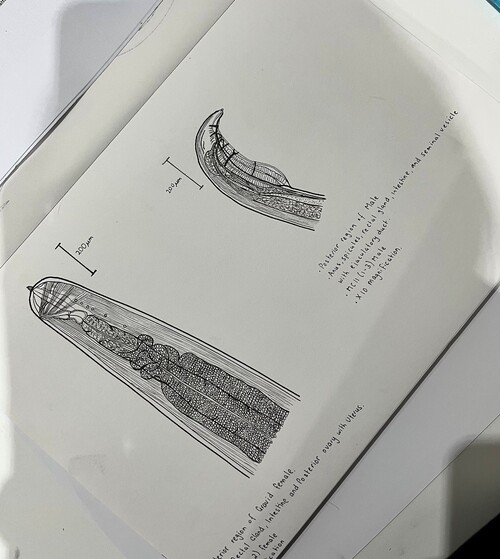
Scientific illustrations of 'Procamallanus australiensis' sp. nov. created by Kym Grundy
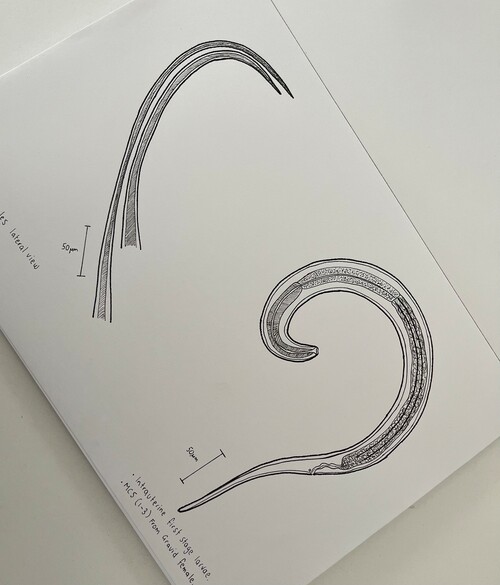
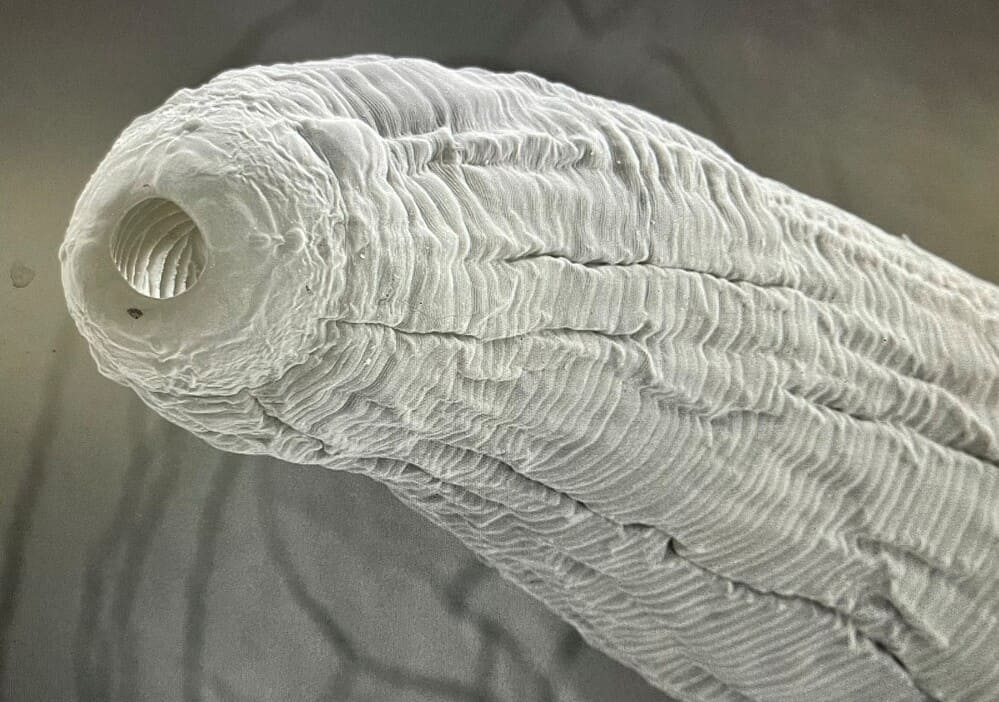
Scanning electron micrograph showing the detailed structure of the newly described nematode, Kym Grundy
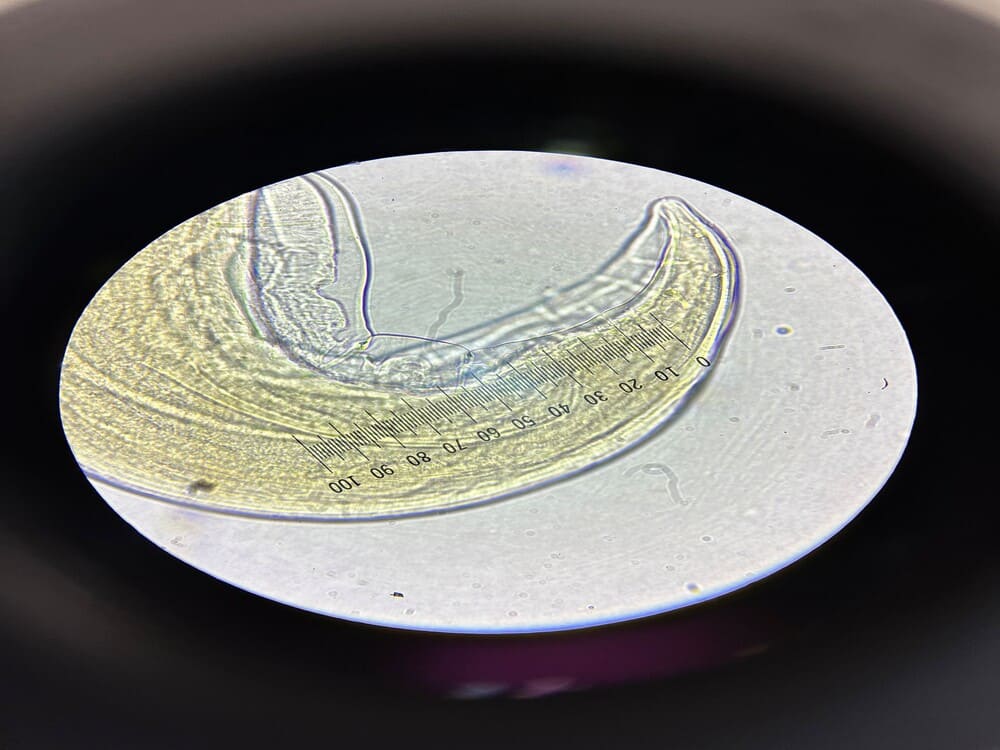
Microscopic examination of Procamallanus australiensis sp. nov. allowed researchers to measure and document the anatomical characteristics that distinguish it from related species.
These illustrations capture the anatomical features that distinguish the new nematode from related species and provide a permanent visual reference for future taxonomic and diagnostic work.
Professor Shamsi said scientific illustration played an essential role in defining and documenting newly discovered species.
“These drawings are far more than artwork,” she said.
“They capture diagnostic features with remarkable accuracy and help define species for generations to come.”
The collaboration highlights the value of combining veterinary science, taxonomy, molecular research and scientific illustration to build knowledge of Australia’s aquatic biodiversity.
The immediate impact of the research is the creation of a robust scientific reference that can be used to identify and compare related parasites.
By providing both genetic and morphological reference information, the study gives researchers and aquatic animal health professionals a stronger foundation for:
The presence of Procamallanus australiensis in both native fish and introduced mosquitofish also raises important questions about parasite ecology.
Further research will be needed to determine the parasite’s full host range, life cycle, distribution and potential effects on fish health.
This future work could help inform freshwater conservation, aquaculture health management and biosecurity surveillance.
Importantly, the discovery does not itself indicate an immediate biosecurity threat. Instead, it provides the baseline knowledge needed to recognise changes, investigate unusual findings and assess future biosecurity challenges more effectively.
Parasites are often viewed solely as agents of disease, but they are also an integral part of biodiversity and play important roles in healthy ecosystems.
Their presence, diversity and relationships with hosts can help researchers understand food webs, environmental change, species movement and the evolutionary history of aquatic environments.
By revealing previously overlooked parasite diversity, the research broadens understanding of what constitutes a healthy and biodiverse freshwater ecosystem.
It also reinforces the importance of documenting lesser-known organisms before environmental change, invasive species and habitat pressures alter ecosystems or lead to the loss of species before they are even discovered.
The paper, “Hidden diversity of camallanid nematodes in freshwater fishes: description of Procamallanus australiensis sp. nov. and implications for host range and parasite transmission”, was published in Marine and Freshwater Research.
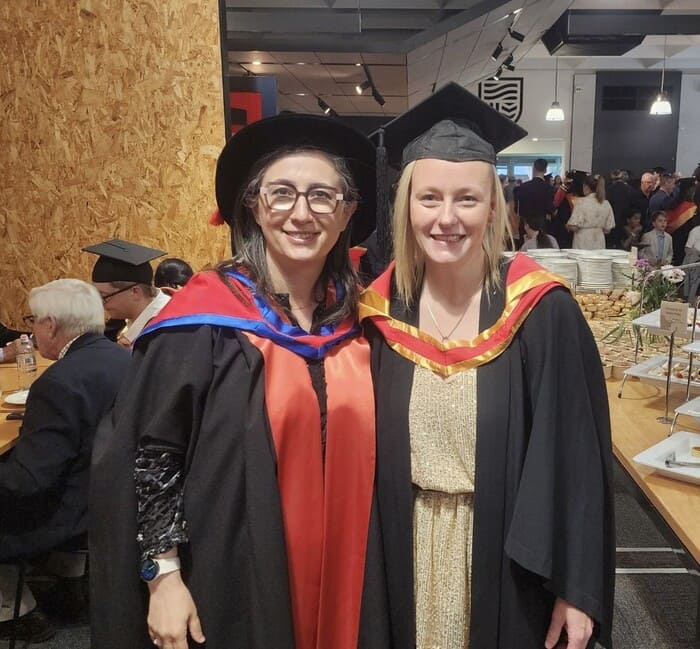
Professor Shokoofeh Shamsi with Charles Sturt Veterinary Science graduate and study co-author Kym Grundy at Kym’s graduation.
Charles Sturt University aligns our research, policies, procedures, and other work with the UN Sustainable Development Goals (SDGs). These are the most relevant SDGs for this initiative.

Charles Sturt researchers have identified and described Procamallanus australiensis, a nematode species previously unknown to science. The discovery expands knowledge of Australia’s freshwater biodiversity and provides an important foundation for fish health, conservation and biosecurity surveillance.

Digital health is now part of everyday healthcare, but universities have lacked a consistent national framework for teaching these essential skills. Charles Sturt researchers and educators have helped develop a new toolkit to prepare future health professionals for safe, effective and technology-enabled care.

When young people come into contact with the criminal justice system, the public conversation can quickly become dominated by labels: offender, delinquent, troublemaker. But what happens when we look beyond those labels and try to understand the experiences of the young people behind them?

Charles Sturt University is helping improve emissions transparency across the beer supply chain through a partnership with Asahi Beverages focused on barley production in Victoria’s Wimmera region.

Researchers at Charles Sturt University's School of Education are investigating ways to make education systems more inclusive, equitable, and responsive to modern challenges.

Research from Charles Sturt University’s Australian Graduate School of Policing and Security (AGSPS) and Centre for Law and Justice (CLJ) is influencing law reform at both state and national levels.
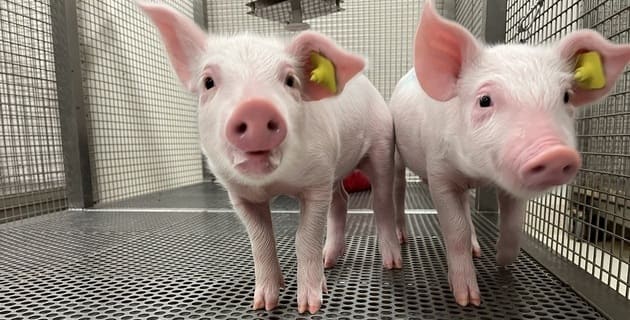
Professor Bing Wang is leading research with piglet models to determine exactly how components in human breast milk may affect neurodevelopment, neuroprotection and cognitive function in early life.
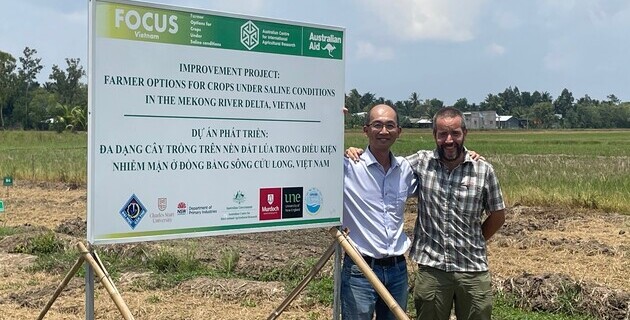
Soil researchers at Charles Sturt University and Can Tho University in southern Vietnam are working together to plot a more productive path forward for rice farmers and their farms in the Mekong River Delta.
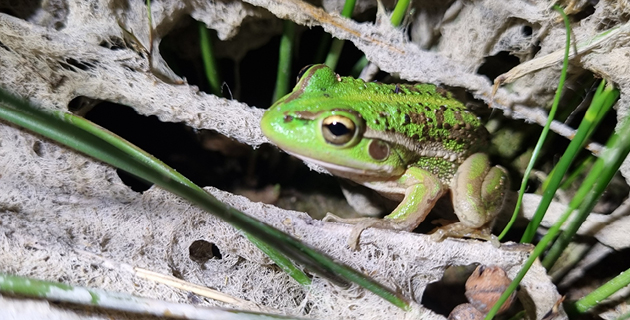
Professor Andrew Hall is leading an effort to improve the mapping of the Murray-Darling wetlands to inform water management planning and maximise the ecological benefits from limited environmental water flows.
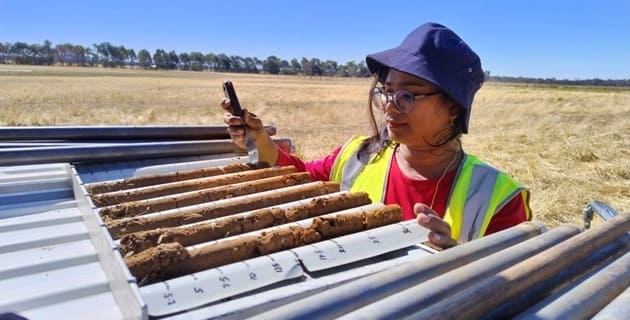
A new multi-phase study is exploring a promising, sustainable solution to soil salinity – using bio-fertiliser-based organic amendments to restore balance, improve nutrient uptake and reduce salt stress in crops.

Charles Sturt researchers have codeveloped the Australian Wine Industry Gender Equity Toolkit, a Wine Australia and Australian Grape & Wine resource to support the practical advancement of gender equity and inclusivity practices across the Australian wine sector.
Charles Sturt University’s Gulbali Institute named one of four key nodes for the Grains Research and Development Corporation’s landmark $47 million Weed Management Initiative.
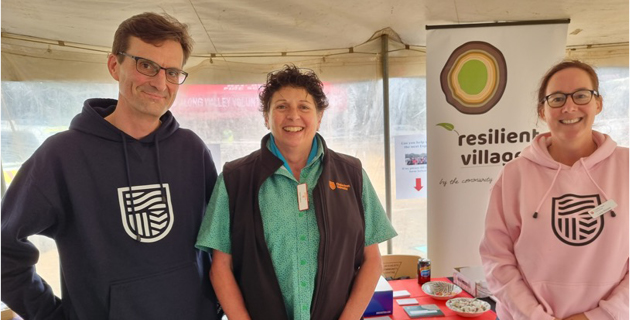
Action research supports Resilient Villages project to build disaster resilience in vulnerable Blue Mountains communities.
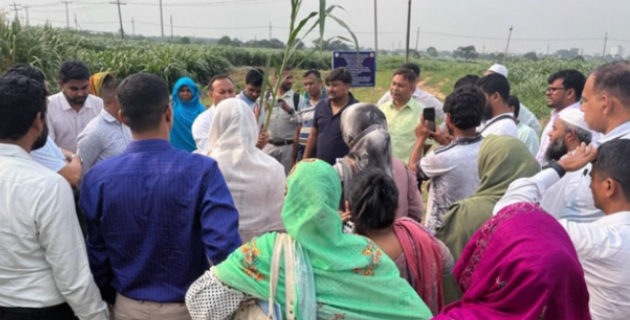
Professor Cameron Clark delivered a training program at the Bangladesh Livestock Research Institute to improve Napier grass management.
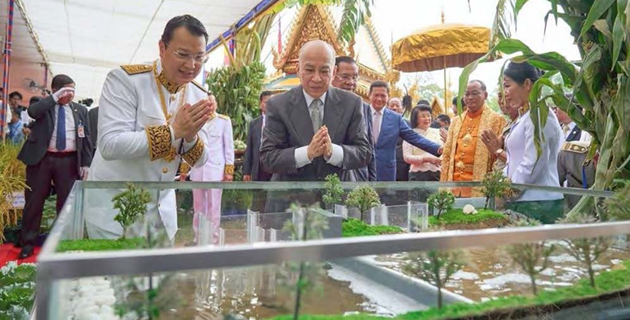
The Gulbali Institute-led FishTech Cambodia project was presented to the King, the Prime Minister and other senior officials during the National Ploughing Ceremony in Cambodia.
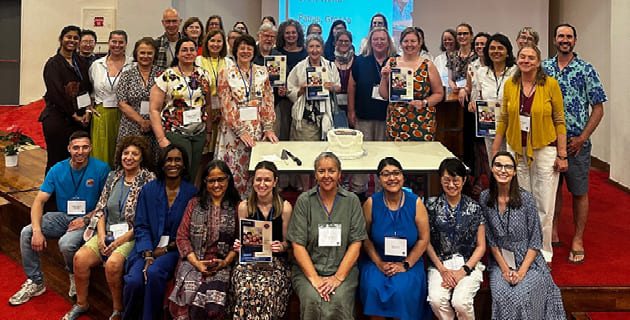
The Oxford Handbook of Speech Development in Languages of the World, edited by Distinguished Professor Sharynne McLeod, represents a landmark contribution to inclusive, multilingual speech research.
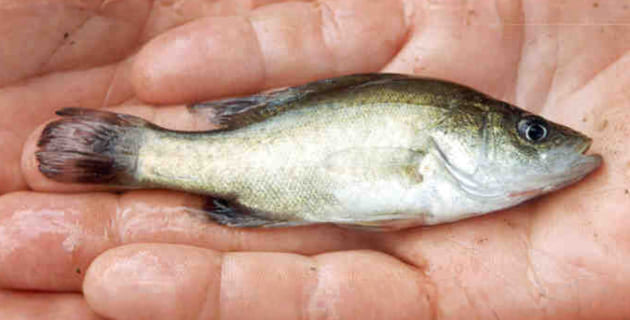
Researchers are tagging and acoustically tracking migrating fish in the Murray-Darling Basin to recover our native fish populations and revive our rivers.
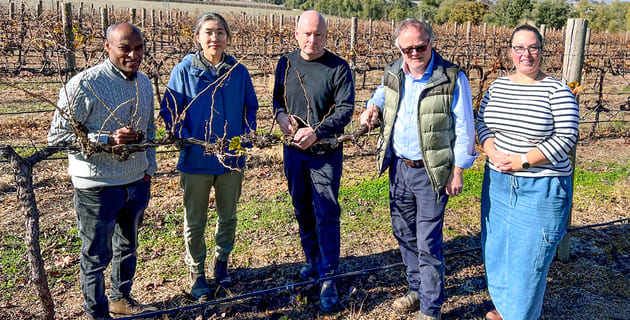
Winemakers, apple and cherry producers in the Central West, southern NSW and Tasmania will be better prepared for future droughts after a funding grant of $7.94 million was awarded to Charles Sturt University for a new research project.
Research highlights the potential of dsRNA-based biopesticides for sustainable agriculture.

Charles Sturt researchers are assessing how nature-based interventions may provide mental health benefits and could be structured to implement within existing mental health services.
Charles Sturt University launched an Audit of the current state of Australian democratic life in February 2025.

Charles Sturt academics participate in research to reduce the debilitating effects of knee osteoarthritis.
The Cool Soil Initiative at Charles Sturt is a paddock-to-product partnership.
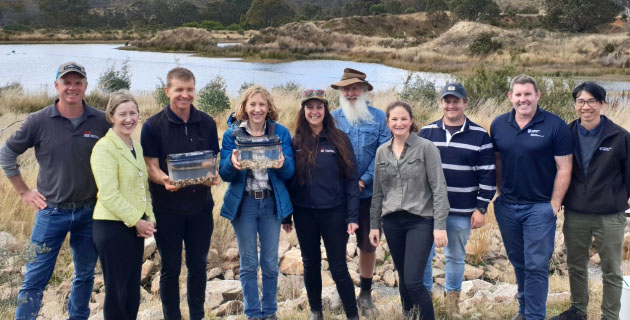
Researchers at the Gulabali Institute, led by Dr Amina Price, have successfully bred the critically endangered Stocky Galaxias in captivity for the second consecutive year.

Two leading Charles Sturt University researchers have been named in an annual celebration of Australian research excellence across 250 disciplines.
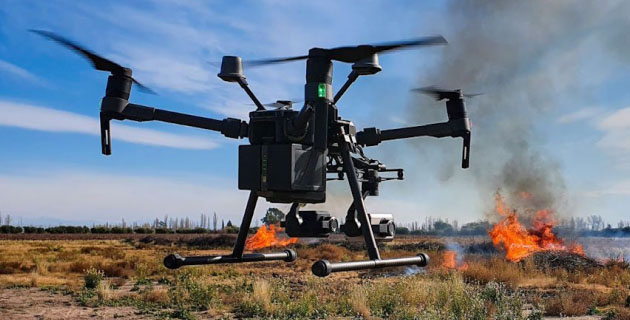
AI and Cyber Futures Senior Research Fellow and Program Lead of Defence and Cybersecurity, Dr Fendy Santoso, has successfully secured federal government funding to enhance the resilience of cybersecurity measures for unmanned aerial vehicle (UAV) systems.
Professor Allen Ross from the Rural Health Research Institute and colleagues have just published a ground-breaking NHMRC-funded trial that will help eliminate schistosomiasis in Asia.
Our Cool Soil Initiative has secured close to $2.1 million AUD to spearhead research in sustainable agriculture and expand the Initiative into new regions and commodities.