Research from Charles Sturt University’s Australian Graduate School of Policing and Security (AGSPS) and Centre for Law and Justice (CLJ) is influencing law reform at both state and national levels.

Recent debate in the New South Wales Legislative Council on the Crimes Amendment (Countering Violent Extremism) Bill 2026 (NSW) directly drew on research by Associate Professor Emma Colvin and Associate Professor Kristy Campion, with one study quoted at length during parliamentary discussions on defining 'violent extremism' and shaping proposed grooming and recruitment offences (See pp. 79-80 of the NSW Legislative Council Hansard for 4 Feb 2026 available here: https://www.parliament.nsw.gov.au/lc/papers/Pages/house-papers.aspx).
The Hon Damien Tudehope described their research as two “insightful studies into the pathways through which vulnerable people, including children, become involved in violent extremism,” highlighting its relevance to contemporary policy challenges.
At the national level, Professor Mark Nolan and Dr Samantha Jones contributed to the Independent National Security Legislation Monitor (INSLM) review of the definition of terrorism. Professor Nolan subsequently provided oral testimony on 10 March 2026 as part of this review, with findings to inform the INSLM’s final report due in 2026.
Professor Nolan has also contributed to international policy discussions through an invited presentation at Dongguk University in Seoul, examining the inclusion of “mental harm” within the legal definition of terrorism alongside leading international scholars and practitioners.
Critically, this research has informed federal legislative reform. Drawing on the work of Associate Professors Campion and Colvin, Professor Nolan led a submission to the Parliamentary Joint Committee on Intelligence and Security during its inquiry into the Combatting Antisemitism, Hate and Extremism Bill 2026 (Cth). In a consultation process that received 475 submissions in three days, his submission provided a clear, evidence-based case for addressing the grooming and recruitment of vulnerable individuals into extremist activity. (See: submission 42, Submissions – Parliament of Australia).
This contribution supported the introduction of new grooming offences, now enacted under the Criminal Code Act 1995 (Cth), aligning federal law with contemporary patterns of extremist recruitment.
Alongside these policy contributions, researchers have played an active role in public debate during a period of heightened national focus on extremism and antisemitism. Dr Samantha Jones has contributed extensive expert commentary across national and international media helping to inform public understanding of extremist behaviour and policy responses.
Together, this work demonstrates Charles Sturt’s role in translating research into policy impact - informing legislation, strengthening national security frameworks, and shaping responses to complex societal challenges.
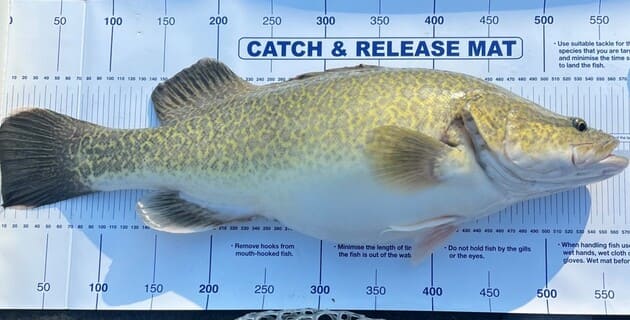
Charles Sturt researchers have identified and described Procamallanus australiensis, a nematode species previously unknown to science. The discovery expands knowledge of Australia’s freshwater biodiversity and provides an important foundation for fish health, conservation and biosecurity surveillance.

Digital health is now part of everyday healthcare, but universities have lacked a consistent national framework for teaching these essential skills. Charles Sturt researchers and educators have helped develop a new toolkit to prepare future health professionals for safe, effective and technology-enabled care.

When young people come into contact with the criminal justice system, the public conversation can quickly become dominated by labels: offender, delinquent, troublemaker. But what happens when we look beyond those labels and try to understand the experiences of the young people behind them?

Charles Sturt University is helping improve emissions transparency across the beer supply chain through a partnership with Asahi Beverages focused on barley production in Victoria’s Wimmera region.

Researchers at Charles Sturt University's School of Education are investigating ways to make education systems more inclusive, equitable, and responsive to modern challenges.

Research from Charles Sturt University’s Australian Graduate School of Policing and Security (AGSPS) and Centre for Law and Justice (CLJ) is influencing law reform at both state and national levels.

Professor Bing Wang is leading research with piglet models to determine exactly how components in human breast milk may affect neurodevelopment, neuroprotection and cognitive function in early life.
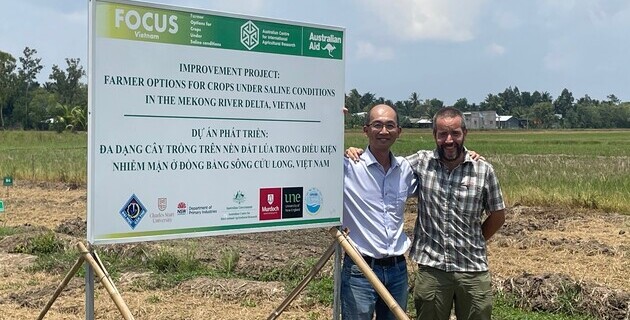
Soil researchers at Charles Sturt University and Can Tho University in southern Vietnam are working together to plot a more productive path forward for rice farmers and their farms in the Mekong River Delta.
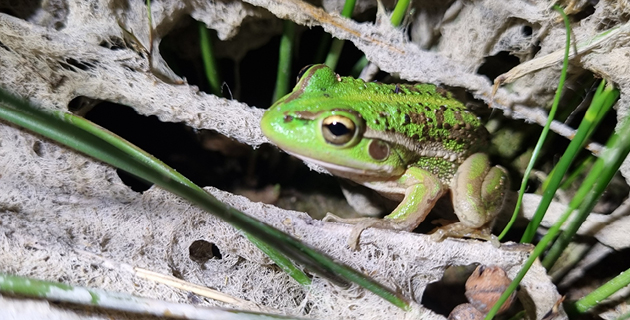
Professor Andrew Hall is leading an effort to improve the mapping of the Murray-Darling wetlands to inform water management planning and maximise the ecological benefits from limited environmental water flows.
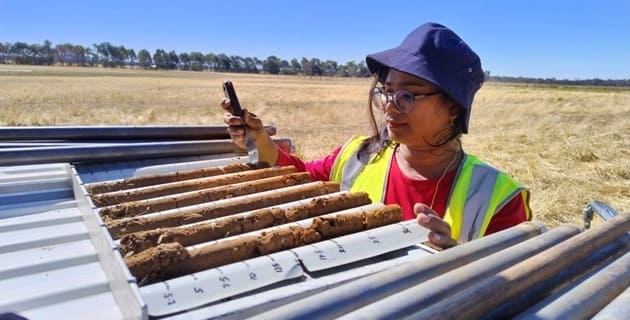
A new multi-phase study is exploring a promising, sustainable solution to soil salinity – using bio-fertiliser-based organic amendments to restore balance, improve nutrient uptake and reduce salt stress in crops.

Charles Sturt researchers have codeveloped the Australian Wine Industry Gender Equity Toolkit, a Wine Australia and Australian Grape & Wine resource to support the practical advancement of gender equity and inclusivity practices across the Australian wine sector.

Charles Sturt University’s Gulbali Institute named one of four key nodes for the Grains Research and Development Corporation’s landmark $47 million Weed Management Initiative.
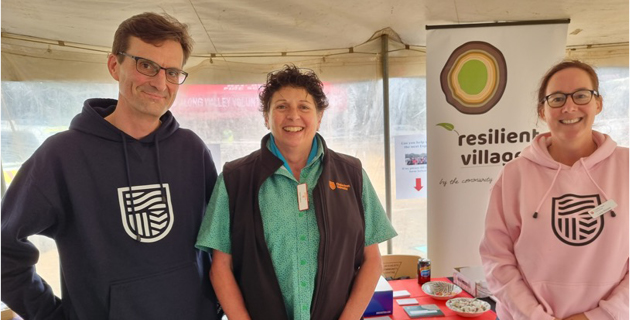
Action research supports Resilient Villages project to build disaster resilience in vulnerable Blue Mountains communities.
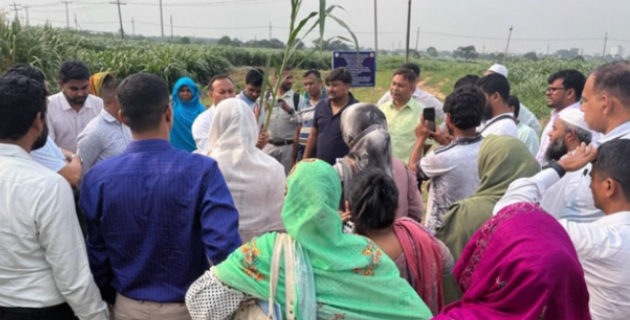
Professor Cameron Clark delivered a training program at the Bangladesh Livestock Research Institute to improve Napier grass management.

The Gulbali Institute-led FishTech Cambodia project was presented to the King, the Prime Minister and other senior officials during the National Ploughing Ceremony in Cambodia.
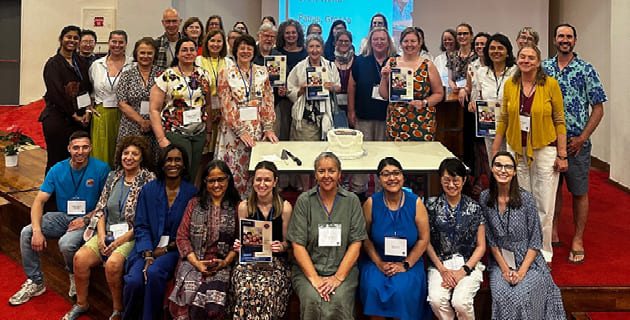
The Oxford Handbook of Speech Development in Languages of the World, edited by Distinguished Professor Sharynne McLeod, represents a landmark contribution to inclusive, multilingual speech research.
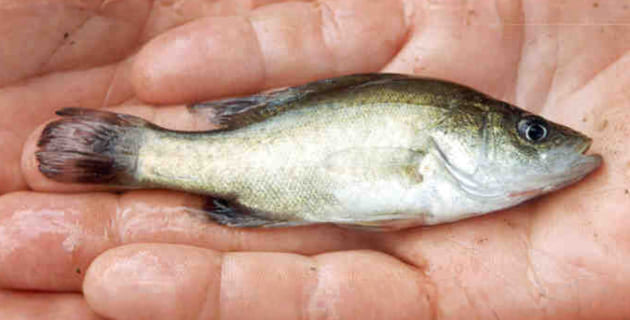
Researchers are tagging and acoustically tracking migrating fish in the Murray-Darling Basin to recover our native fish populations and revive our rivers.
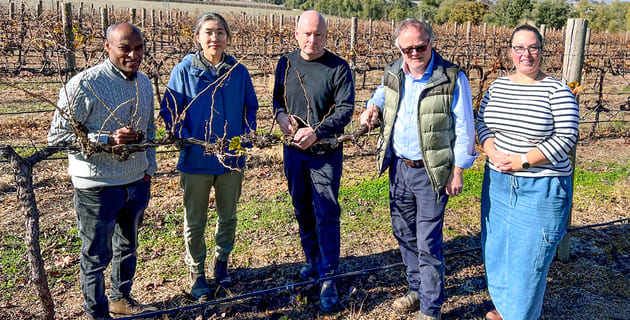
Winemakers, apple and cherry producers in the Central West, southern NSW and Tasmania will be better prepared for future droughts after a funding grant of $7.94 million was awarded to Charles Sturt University for a new research project.
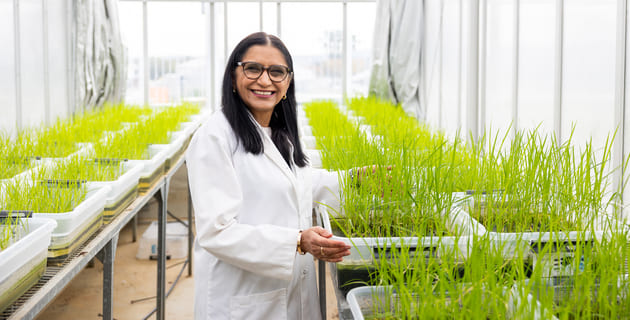
Research highlights the potential of dsRNA-based biopesticides for sustainable agriculture.

Charles Sturt researchers are assessing how nature-based interventions may provide mental health benefits and could be structured to implement within existing mental health services.
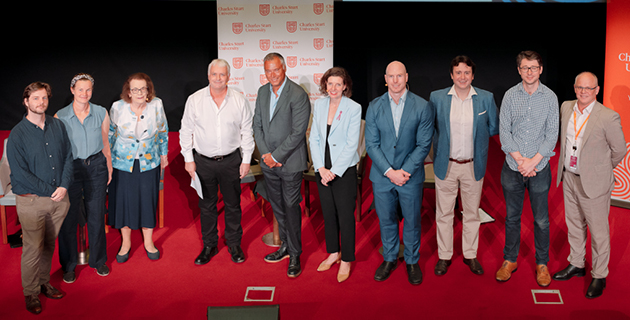
Charles Sturt University launched an Audit of the current state of Australian democratic life in February 2025.

Charles Sturt academics participate in research to reduce the debilitating effects of knee osteoarthritis.
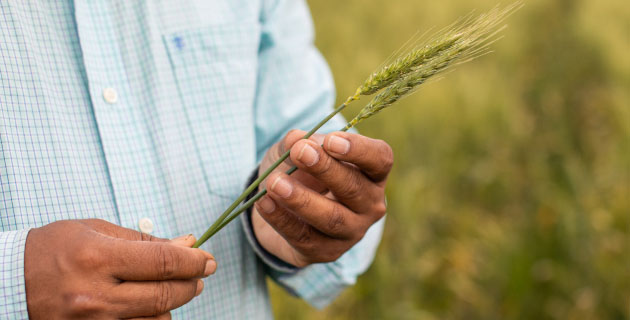
The Cool Soil Initiative at Charles Sturt is a paddock-to-product partnership.
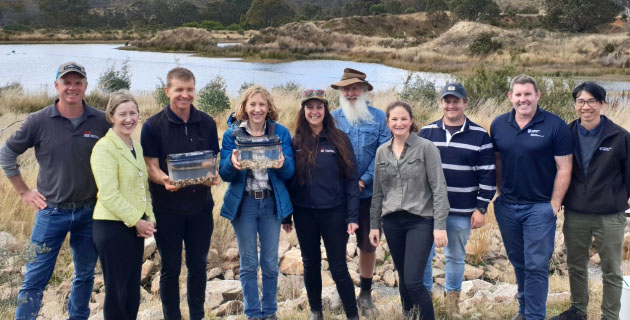
Researchers at the Gulabali Institute, led by Dr Amina Price, have successfully bred the critically endangered Stocky Galaxias in captivity for the second consecutive year.

Two leading Charles Sturt University researchers have been named in an annual celebration of Australian research excellence across 250 disciplines.

AI and Cyber Futures Senior Research Fellow and Program Lead of Defence and Cybersecurity, Dr Fendy Santoso, has successfully secured federal government funding to enhance the resilience of cybersecurity measures for unmanned aerial vehicle (UAV) systems.

Professor Allen Ross from the Rural Health Research Institute and colleagues have just published a ground-breaking NHMRC-funded trial that will help eliminate schistosomiasis in Asia.
Our Cool Soil Initiative has secured close to $2.1 million AUD to spearhead research in sustainable agriculture and expand the Initiative into new regions and commodities.
Charles Sturt University aligns our research, policies, procedures, and other work with the UN Sustainable Development Goals (SDGs). These are the most relevant SDGs for this initiative.