Professor Bing Wang is leading research with piglet models to determine exactly how components in human breast milk may affect neurodevelopment, neuroprotection and cognitive function in early life.
The first 1,000 days of life – from conception through pregnancy to two years old – is a period of profound growth and change for every human being. It encompasses the most critical periods of both mental and physical development, setting the foundation for a healthy and capable lifespan. Early life nutrition can have significant impacts on these development processes, in ways we are only beginning to unravel.
The World Health Organization (WHO) and United Nations International Children’s Emergency Fund (UNICEF) recommend that newborns should be exclusively breast-fed for the first six months of life for optimal and complete nutrition. Human milk is designed to feed human babies, just like the milk of every other mammal species is designed as the perfect food for their offspring.
However, only around 35 per cent of Australian infants are exclusively breast-fed until six months old, meaning almost two-thirds of our population rely on infant formula for the bulk of their nutrition in their critical stages of development. Infant formulas, based on cow’s milk, attempt to mimic the nutritional composition of human breast milk – they have similar amounts of fats, sugars, proteins and minerals to feed a baby. But do the details matter?
Apparently so. Numerous population studies have shown that “formula-fed infants perform poorly across physical and psychological wellbeing measures and suffer health disadvantages compared to breast-fed infants”. In real terms, breast-fed babies grow up to have higher intelligence than babies fed infant formula, and score higher in both cognitive and behavioural tests. Brain imaging studies of children up to nine years old have shown that breast-fed ones have increased volume of white and sub-cortical grey matter in the brain and increased parietal lobe cortical thickness (both associated with IQ in adolescents) than formula-fed ones.
While it is difficult to untangle genetic and environmental effects that may contribute to these differences, when you consider that a baby’s brain growth exceeds that of any other organ or body tissue after birth, and reaches 80 per cent of its adult volume within two years of age, how you feed that growth obviously matters.
Professor Bing Wang, a neonatologist, neurodevelopmental and molecular biologist, has led a Nutritional Neurodevelopment Research program at Charles Sturt University since 2012, but has been studying how nutrients affect neurodevelopment, cognitive function, health and disease prevention since 2001, with her PhD on the nutritional significance of sialic acid in human milk: a precursor of brain gangliosides.
Professor Wang’s early research showed that human breast milk has between four and 10 times more sialic acid than cow’s milk or any type of infant formula; that breast-fed preterm infants have significantly higher salivary sialic acid during their first four to five months of life; and that sialylated glycoproteins and sialylated lipids (gangliosides) in the frontal cortex are markedly higher in breast-fed infants than in formula-fed infants. Her work also revealed a significant correlation between docosahexaenoic acid (DHA) and sialic acid in brain gangliosides. Sialic acid is one of nature’s richest sources of nine-carbon sugars and serves as a key building block of polysialic acid, which is essential for brain development. Notably, neuronal cell membranes in human brain have ~20 times more sialic acid content than those of other cell types. Her ongoing research is continuing to unravel how and why sialic acid is important, how it incorporates into a newborn’s circulation before entering the brain, and which other bioactive nutrients in breast milk actively affect neural development and cognitive function.
So, what else is in breast milk? After lactose (a sugar) and lipids (fats), human milk oligosaccharides (HMOs) are the third most abundant solid biomolecules, present at up to 20–25 g/L in colostrum and 5–20 g/L in mature milk. HMOs are a family of over 200 structurally related compounds, with 10–30 per cent also containing sialic acid (sialylated HMOs). They are indigestible sugars (like dietary fibre), so do not provide energy, but carry out other functions in the body as building blocks for growth.
All mammal milk contains both neutral and sialylated oligosaccharides, but the structure, diversity and amounts of these vary widely between species. Human milk contains 100–1,000-fold higher levels of HMOs than cow milk, or any infant formula. Cow’s milk in particular contains a very low diversity and concentration of sialylated HMOs compared to human milk, and the amount in infant formula is negligible. The majority of sialic acid present in cow milk is bound to glycoproteins, rather than to oligosaccharides. Lactoferrin, a sialylated glycoprotein, is also present in human milk, at levels 10–20 times higher than cow’s milk.
“So, formula-fed babies receive only 25 per cent or even less of the sialic acid than breast-fed babies” summarises Professor Wang, “and they receive it attached to glycoproteins, rather than through a range of HMOs and lactoferrin”.
There is evidence to suggest that HMOs are responsible for some of the health and developmental advantages of breast-fed babies. Clinical studies have supplemented infant formulas with a limited range of manufactured HMOs, and shown that babies fed this had comparable growth rates to breast-fed babies, better than those fed standard infant formula. Head circumference, a critical neurodevelopmental marker, was also comparable to breast-fed babies.
Professor Wang and her research team are now working to determine exactly how sialylated HMOs, sialylated glycoproteins and combinations of sialylated and neutral HMOs may affect neurodevelopment, neuroprotection and cognitive function in early life. Given that it is ethically unacceptable to conduct randomised feeding trials on human babies and then subject them to a range of different brain-function tests, a wide range of different approaches are being used.
A significant component of their research involves piglet models. “Pigs are well-established models for human physiology,” explains Professor Wang. “Their organs are already used in transplantation research, and the structure and function of the piglet brain closely resemble those of human infants. For example, unlike rodents, pigs possess a gyrencephalic cerebral cortex with prominent gyri and sulci, akin to the human neocortex. In addition, the piglet’s digestive system shares similar physiological and anatomical characteristics with that of human infants and has comparable nutrient requirements.”
Professor Wang’s research team has undertaken a range of experiments based on piglet populations fed a standard milk replacement supplemented with different types of HMOs either alone or in combination with lactoferrin. The formulations were designed to make sure each group had comparable nutrient intakes, with the HMOs and lactoferrin as the only variables. After 39 days of feeding (equivalent to a 10–12-month-old infant), numerous tests were carried out across the treatment groups.
Research areas: Nutritional neurobiology, neuroimaging, cognitive functional assessment
Research problem: Discovering the molecular and cellular basis of how nutrient components alter metabolic responses important in human neural development
Collaborators/countries:
Outcomes: Identification of nutrients and potential metabolic pathways affecting neurodevelopment in infants
Impact: Identifying importance of appropriate nutrition in the first 1,000 days of life to optimise infant neurodevelopment, identifying improvements in alternatives to breast milk for infants
Beneficiaries: Human infants in their critical stage of development for lifelong health and capability
Significance: The research uses a nutraceutical approach by employing beneficial different nutrients in human milk, for example, HMOs and lactoferrin as therapeutic agents in improving neurodevelopment. The outcomes of this research will thus provide fundamental evidence for the need for a functionally active source of essential HMOs and lactoferrin able to act during the rapid process of neural development. The inclusion of sialylated HMOs, 2’FL and lactoferrin in infant formulas has the potential for the development of a new generation of foods for optimising neurodevelopmental potential, the prevention and treatment of brain injured infants, and therefore be of benefit for the Australian food industry and economy. This project will also provide opportunities to build skills and leadership for young and early career academic researchers.
In vivo brain Magnetic Resonance Spectroscopy (MRS), performed alongside MRI, was used as a non-invasive technique to quantify 33 key brain metabolites and neurotransmitters in piglets. “Our initial studies showed that both sialylated HMOs alone and HMOs combined with lactoferrin can increase the levels of brain metabolites and neurotransmitters essential for neurodevelopment in piglets, although the underlying mechanisms appear to involve different pathways,” says Professor Wang.
Their work has provided the first evidence that early-life supplementation with HMOs alone or in combination with lactoferrin can significantly enhance brain metabolite profiles in piglets. These metabolites are known to affect neurotransmitter creation, energy metabolism, neuronal protection, antioxidant defence and structural brain development.
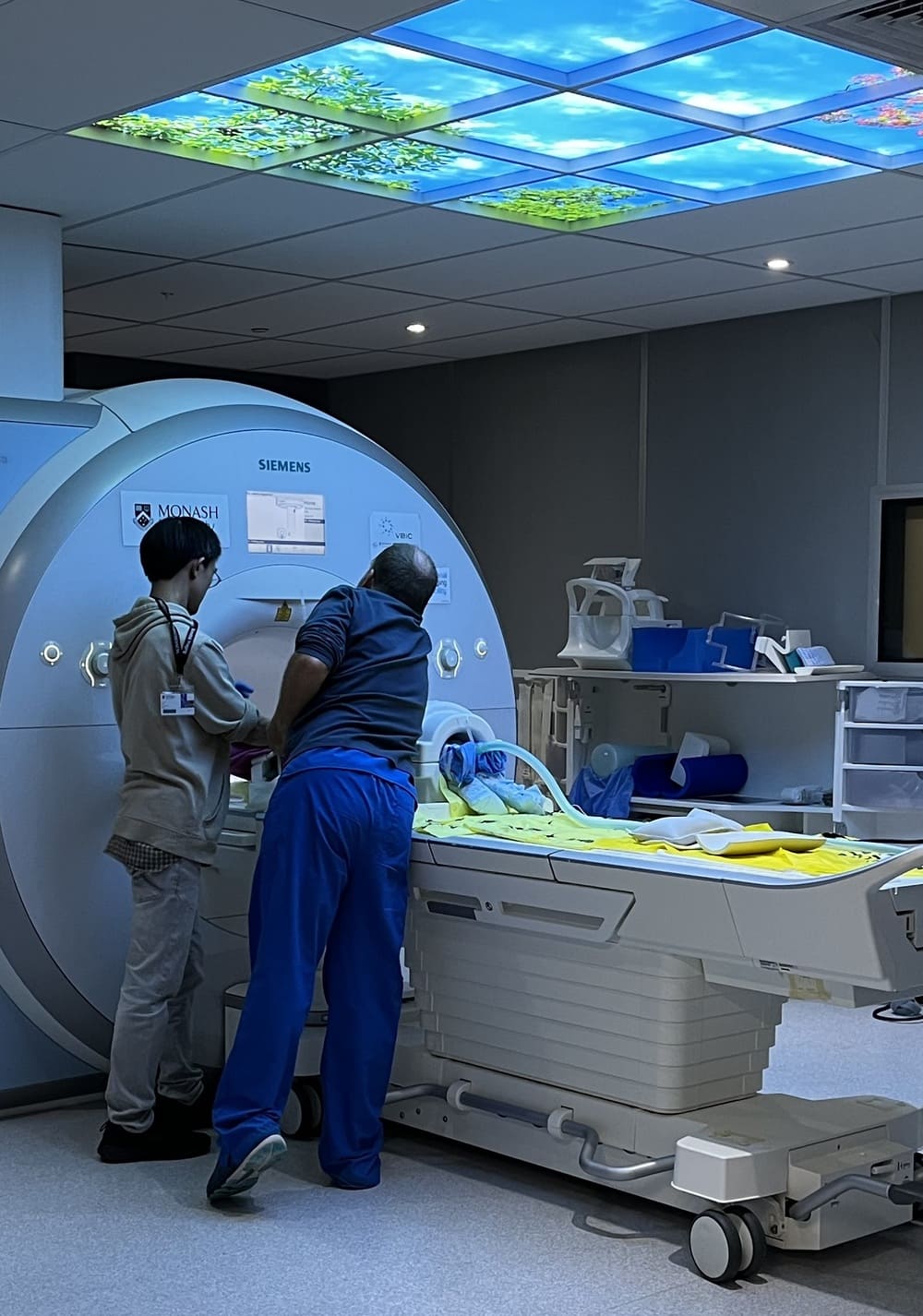
The metabolic differences observed were further supported by T1-weighted MRI scans, which allow the assessment of brain anatomy and microstructure. The research team could demonstrate brain microstructural benefits in piglets fed HMOs with or without lactoferrin by assessing the relative volumes of grey matter, white matter, cerebrospinal fluid and 29 specific brain regions associated with cognition, language, motor skills, short-term memory, long-term memory, working memory and neuronal development.
Our understanding of how brains work is still limited, so showing differences in a brain’s physical and chemical development as a result of nutrition cannot be used to directly infer changes in intelligence or ability. That is where real-world behavioural testing takes over.
“We actually have a world-standard piglet learning behaviour facility here at Charles Sturt University,” says Professor Wang. “We’re using it to establish and validate behavioural measurements of learning ability, short- and long-term memory, working memory, anxiety and stress behaviour in piglets using open-field and novel-object tests, eight arm radial maze tasks and five partition boards. By video-recording each piglet’s behaviour in each task and analysing over a large-scale data set, we can objectively evaluate the effects of any difference in their upbringing, in this case nutrition, on cognitive outcomes.”
Their results showed that piglets fed HMOs and lactoferrin supplements significantly improved their learning and memory for difficult tasks (but showed no difference for easy tasks) compared to piglets fed normal formula, without inducing additional stress responses. A combination of neutral and sialylated HMOs showed the most pronounced benefits, highlighting their potential role to support early brain development.
“Our overall goal is to work out how individual neutral and sialylated HMOs and other components in breast milk can act alone or in combination to affect metabolic responses important in infant neurodevelopment and cognitive function,” summarises Professor Wang. “We are integrating multiple approaches not possible with human babies. But it’s providing direct evidence for the effects of nutrition on development, and emphasising the critical importance of breastfeeding babies in early life to support optimal brain function and cognitive development.”
Importantly, Professor Wang’s work is paving the way for improved infant formula for babies who don’t or can’t receive human breast milk. Some animal species, such as pigs, goats and elephants, produce milk with considerably higher concentrations of sialylated HMOs than cow’s milk, and these may eventually provide a better base for enriched infant formulas.
Advancements in biotechnology now allow limited production of some individual HMOs and lactoferrin through bacterial fermentation and enzymatic conversion. Several of these are approved for use in food (six so far by the Food and Drug Administration in the USA, and four by Food Standards Australia) and incorporated into some specialised infant formulas. Australia and New Zealand are leading suppliers of lactoferrin, and Professor Wang’s research group is working to enhance its production for more cost-effective inclusion in infant formula. It’s still a long way from the over 200 HMOs found in breast milk though.
It is progress that has taken years – In Professor Wang’s case, from a PhD on sialic acid begun in the 1990s to a research group at CSU – including four PhD students, four academics and many international collaborators, supporting several additional PhD students. The team now has even more nutritional questions about breast milk nutrition to investigate than hours in the day. But it is worth it – improving nutrition for babies, whether breast- or formula-fed, and optimising their development through their first 1,000 days of life can change the health, capability and trajectory of not just an individual life, but of our entire society.
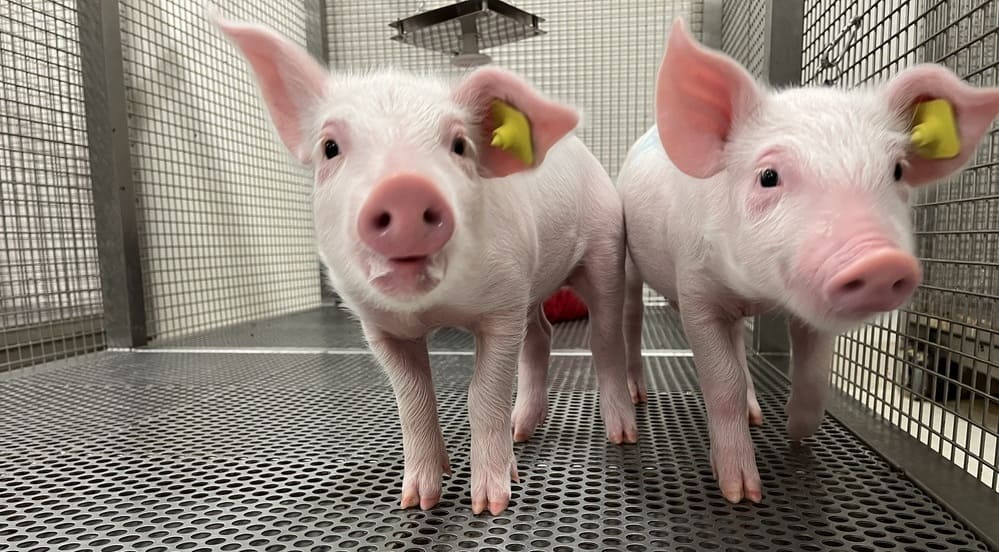
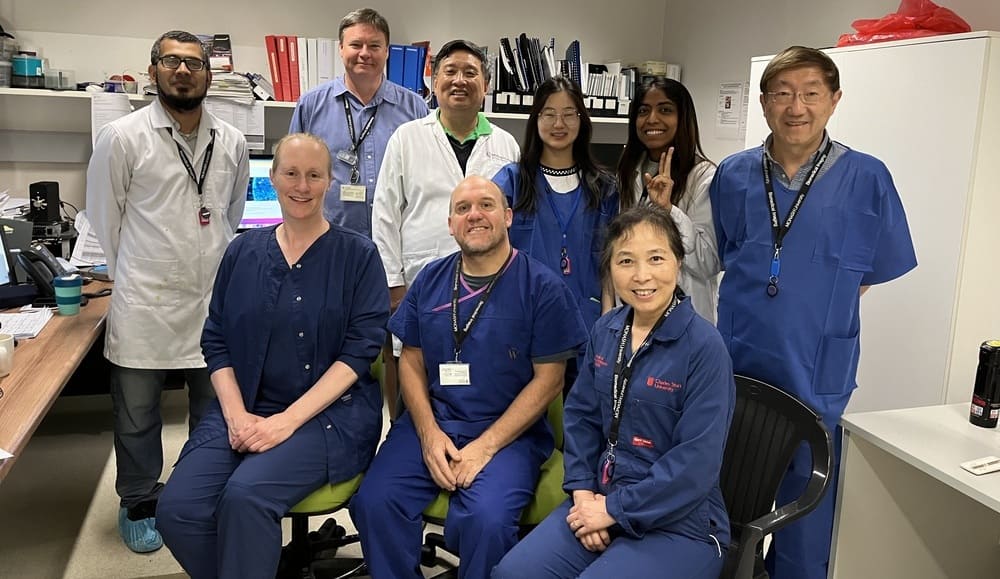
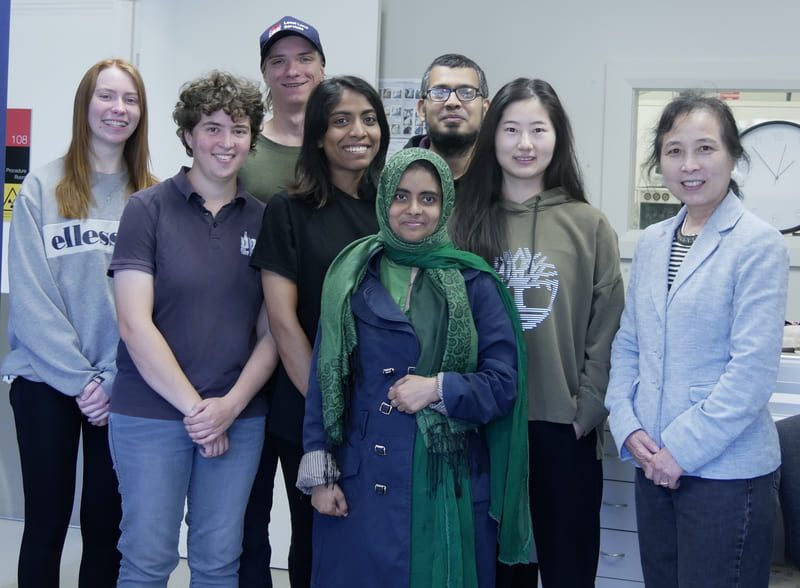
Images (from top): Piglets; the research team at Monash University; researchers conducting an MRI; members of the research team with PhD students.
Charles Sturt University researchers are working with communities and partners to protect threatened species, improve river management and develop practical solutions that support healthier rivers and prosperous regional communities.

Charles Sturt researchers have identified and described Procamallanus australiensis, a nematode species previously unknown to science. The discovery expands knowledge of Australia’s freshwater biodiversity and provides an important foundation for fish health, conservation and biosecurity surveillance.

Digital health is now part of everyday healthcare, but universities have lacked a consistent national framework for teaching these essential skills. Charles Sturt researchers and educators have helped develop a new toolkit to prepare future health professionals for safe, effective and technology-enabled care.

When young people come into contact with the criminal justice system, the public conversation can quickly become dominated by labels: offender, delinquent, troublemaker. But what happens when we look beyond those labels and try to understand the experiences of the young people behind them?

Charles Sturt University is helping improve emissions transparency across the beer supply chain through a partnership with Asahi Beverages focused on barley production in Victoria’s Wimmera region.

Researchers at Charles Sturt University's School of Education are investigating ways to make education systems more inclusive, equitable, and responsive to modern challenges.

Research from Charles Sturt University’s Australian Graduate School of Policing and Security (AGSPS) and Centre for Law and Justice (CLJ) is influencing law reform at both state and national levels.
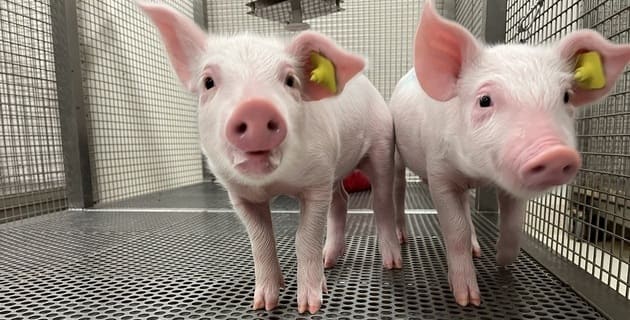
Professor Bing Wang is leading research with piglet models to determine exactly how components in human breast milk may affect neurodevelopment, neuroprotection and cognitive function in early life.
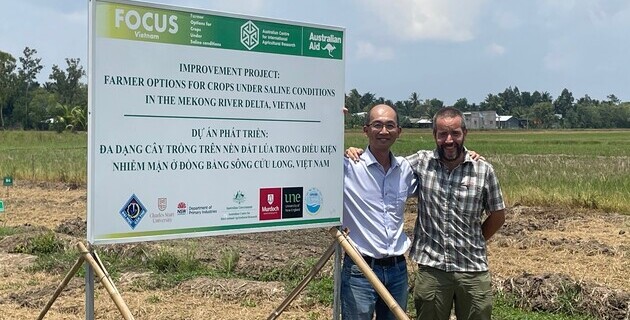
Soil researchers at Charles Sturt University and Can Tho University in southern Vietnam are working together to plot a more productive path forward for rice farmers and their farms in the Mekong River Delta.

Professor Andrew Hall is leading an effort to improve the mapping of the Murray-Darling wetlands to inform water management planning and maximise the ecological benefits from limited environmental water flows.
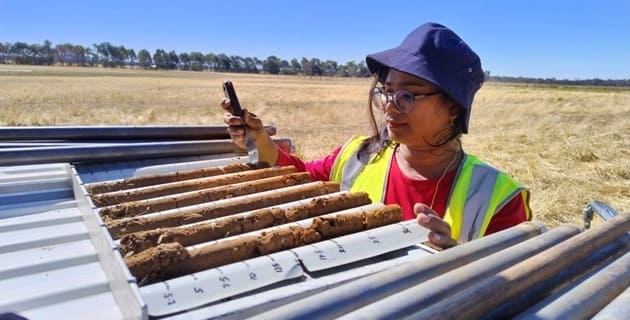
A new multi-phase study is exploring a promising, sustainable solution to soil salinity – using bio-fertiliser-based organic amendments to restore balance, improve nutrient uptake and reduce salt stress in crops.

Charles Sturt researchers have codeveloped the Australian Wine Industry Gender Equity Toolkit, a Wine Australia and Australian Grape & Wine resource to support the practical advancement of gender equity and inclusivity practices across the Australian wine sector.

Charles Sturt University’s Gulbali Institute named one of four key nodes for the Grains Research and Development Corporation’s landmark $47 million Weed Management Initiative.
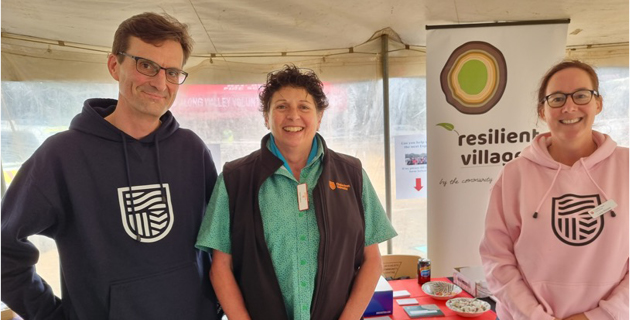
Action research supports Resilient Villages project to build disaster resilience in vulnerable Blue Mountains communities.

Professor Cameron Clark delivered a training program at the Bangladesh Livestock Research Institute to improve Napier grass management.

The Gulbali Institute-led FishTech Cambodia project was presented to the King, the Prime Minister and other senior officials during the National Ploughing Ceremony in Cambodia.
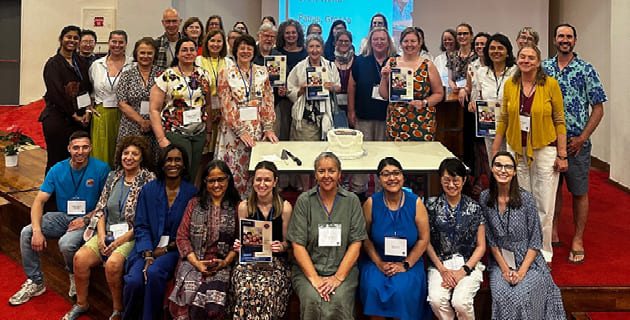
The Oxford Handbook of Speech Development in Languages of the World, edited by Distinguished Professor Sharynne McLeod, represents a landmark contribution to inclusive, multilingual speech research.
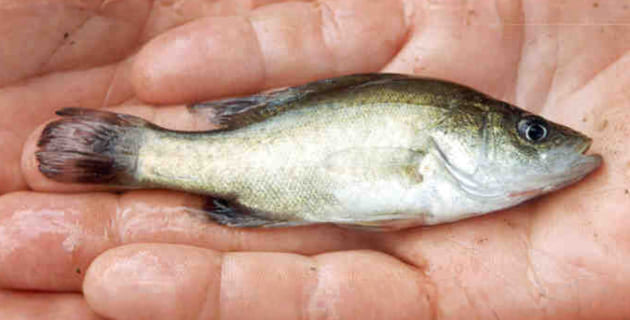
Researchers are tagging and acoustically tracking migrating fish in the Murray-Darling Basin to recover our native fish populations and revive our rivers.
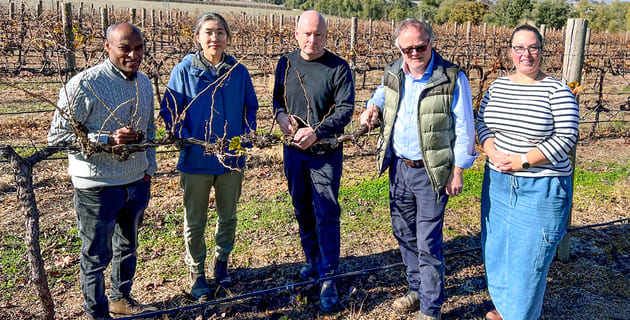
Winemakers, apple and cherry producers in the Central West, southern NSW and Tasmania will be better prepared for future droughts after a funding grant of $7.94 million was awarded to Charles Sturt University for a new research project.
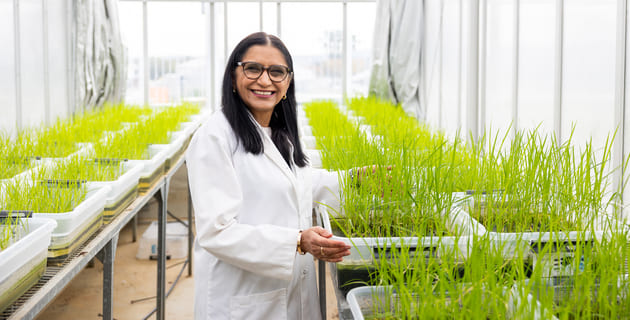
Research highlights the potential of dsRNA-based biopesticides for sustainable agriculture.

Charles Sturt researchers are assessing how nature-based interventions may provide mental health benefits and could be structured to implement within existing mental health services.
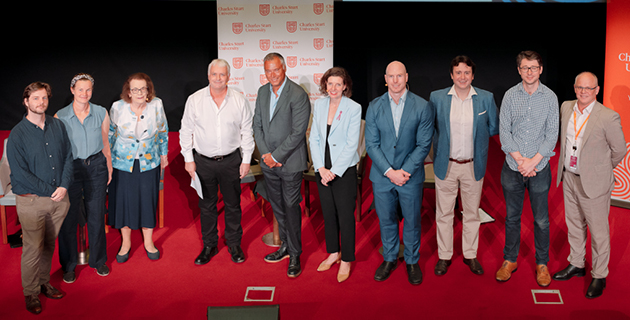
Charles Sturt University launched an Audit of the current state of Australian democratic life in February 2025.
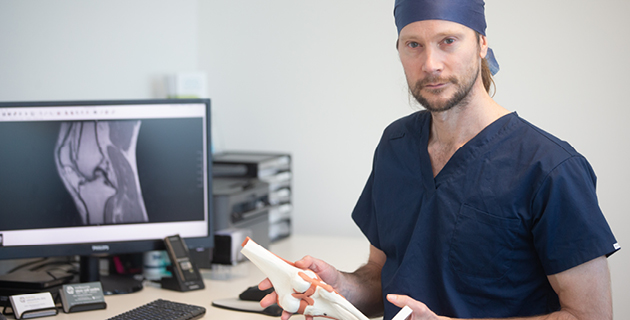
Charles Sturt academics participate in research to reduce the debilitating effects of knee osteoarthritis.
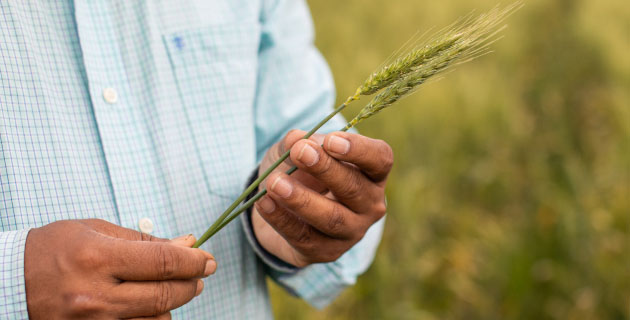
The Cool Soil Initiative at Charles Sturt is a paddock-to-product partnership.
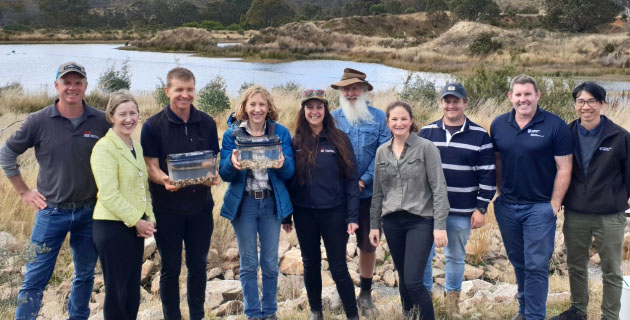
Researchers at the Gulabali Institute, led by Dr Amina Price, have successfully bred the critically endangered Stocky Galaxias in captivity for the second consecutive year.

Two leading Charles Sturt University researchers have been named in an annual celebration of Australian research excellence across 250 disciplines.

AI and Cyber Futures Senior Research Fellow and Program Lead of Defence and Cybersecurity, Dr Fendy Santoso, has successfully secured federal government funding to enhance the resilience of cybersecurity measures for unmanned aerial vehicle (UAV) systems.

Professor Allen Ross from the Rural Health Research Institute and colleagues have just published a ground-breaking NHMRC-funded trial that will help eliminate schistosomiasis in Asia.
Our Cool Soil Initiative has secured close to $2.1 million AUD to spearhead research in sustainable agriculture and expand the Initiative into new regions and commodities.
Charles Sturt University aligns our research, policies, procedures, and other work with the UN Sustainable Development Goals (SDGs). These are the most relevant SDGs for this initiative.