When young people come into contact with the criminal justice system, the public conversation can quickly become dominated by labels: offender, delinquent, troublemaker.
But what happens when we look beyond those labels and try to understand the experiences of the young people behind them?
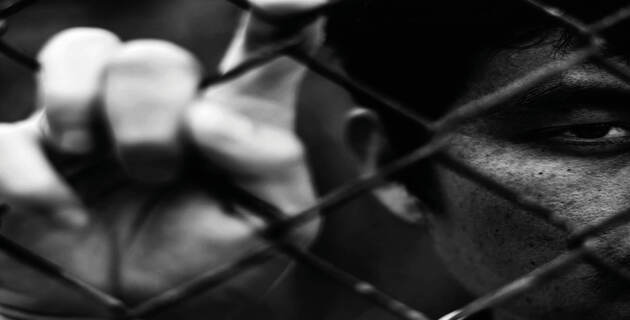
It is a question Associate Professor Andrew McGrath from Charles Sturt University has explored throughout more than two decades of research into juvenile offending, stigma and the experiences of young people in contact with the criminal justice system.
Now, he has brought that research together with his longstanding interest in cinema in a new book, Crime and Marginalisation: Young People in World Cinema.
Published by Routledge, the book examines how films from different countries portray young people experiencing crime, exclusion and marginalisation, and what these stories reveal about how societies understand and respond to youth crime.
Andrew’s interest in juvenile delinquency began with his Honours research in 2001. Since then, his research has examined juvenile risk assessment, the effects of custodial penalties on reoffending, the sentencing of young Indigenous people, serious and violent offending careers, cyberbullying, and children in out-of-home care who come into contact with the criminal justice system.
A defining point came during his PhD research, when he interviewed approximately 200 young people who had recently been sentenced in the NSW Children’s Court.
His research found that young people who experienced the court process as stigmatising - who felt they were being judged as a bad person rather than for a particular behaviour - were more likely to reoffend.
An article arising from this research later won the Allen Austin Bartholomew Award for the best article published in the Australian and New Zealand Journal of Criminology in 2009.
The findings deepened Andrew’s interest in labelling theory and the consequences of stigma. Years later, he found a way to combine this long-standing research interest with his love of cinema.
“I dreamt up this project that combined my research and personal interests, and pitched it to Routledge, who subsequently offered me a contract to write the book,” Andrew said.
Much of the published research on juvenile delinquency has historically come from Western countries, particularly the United States and the United Kingdom.
Andrew wanted to take a broader view and explore how youth crime and marginalisation were represented across very diverse cultural, social and political contexts.
Alongside films from the United States and Australia, the book considers cinema from Brazil, Gabon, India, China, Japan, Taiwan and France.
Across these different contexts, Andrew found striking commonalities.
“Despite the wide cultural, political and social differences between these nations, the experience of being an outsider was remarkably similar, even though the reasons for this status varied,” he said.
One of the strongest themes to emerge was the enduring legacy of colonialism. This was explicit in Australian films such as Romper Stomper and Samson and Delilah, but Andrew found its influence, in different forms, running implicitly through many of the films he examined.
The book examines films ranging from the foundational juvenile delinquent movies of the 1950s, including Rebel Without a Cause, to later portrayals of young people living on the margins.
These include the experiences of young African Americans in Boyz n the Hood, street children in Salaam Bombay!, First Nations young people in Samson and Delilah, and excluded outsiders in contemporary China, as depicted in the films of director Jia Zhangke.
For Andrew, one of the most significant insights was the difficulty - and danger - of trying to define a single type of young person who becomes involved in crime.
The young people portrayed in the films varied widely in age, gender, sexuality, race, nationality, family circumstances and experiences of poverty.
Their diversity challenges simplistic explanations of juvenile offending and raises questions about the labels societies place on young people.
“At a time when juvenile offenders are increasingly stigmatised and juvenile justice laws are becoming more punitive, these movies allow the viewer to experience what it is like to be a young person in trouble with the law and to begin to understand the processes behind this,” Andrew said.
Public understanding of youth crime is often shaped by news headlines, political debate and crime statistics. Cinema can offer another perspective by taking audiences into the lives of young people and revealing the relationships, inequalities and social circumstances that shape their experiences.
Andrew also found an unexpected thread of hope running through many otherwise confronting stories.
In hostile adult worlds, young characters often found protection and belonging in one another.
“Love and comradeship were key themes of many of these films, and one consolation in what was a very dark world for many of the characters,” he said.
Although Crime and Marginalisation is an academic book for undergraduate students, Andrew hopes it will also reach a broader audience.
Above all, he hopes readers leave with a more nuanced understanding of youth crime.
“I hope they take away from it an understanding that goes beyond headlines to try and understand the lives and motivations of young people we would otherwise be swift to condemn,” he said.
Andrew hopes the work can contribute to broader conversations about how societies respond to youth crime, including whether greater understanding and empathy can coexist with the legitimate desire for safe communities.
“I would love it if this could contribute to a wider debate about how to deal with youth crime in a more humane and less punitive manner,” he said.
“Most people have an understandable desire to live in a safe community. I don’t think these two aims are necessarily incompatible, and a starting point of empathy and understanding might be key to this.”
Writing the book has also led Andrew to reflect on his own research journey.
Much of his previous research has been quantitative, using data to test theories, evaluate programs, and inform policy. While this work remains important, Andrew says it can reveal less about the individual lives behind the data.
“There is obviously no one ‘best’ research methodology, but work that seeks to understand its participants beyond quantifying their behaviour seems important to me,” he said.
“Cinema seems particularly well placed to achieve this, given its accessibility and visceral impact.”
Andrew also sees opportunities to extend the research. While the book examines a wide range of national cinemas, many countries and film traditions remain outside its scope.
Future work could extend the analysis to explore other cultures and examine where the experiences of marginalised young people converge—and where different histories and social systems produce very different stories.
For a researcher who began studying juvenile offending more than 20 years ago, cinema has offered a new way to ask a longstanding question: how can we better understand young people whose lives are too often defined by the labels placed on them?

Associate Professor Andrew McGrath is a researcher in Psychology at Charles Sturt University. His research interests include juvenile offending, sentencing, stigma and labelling, juvenile risk assessment, reoffending, young people in out-of-home care, and quantitative methods in criminological and psychological research.
Read more: Crime and Marginalisation: Young People in World Cinema, published by Routledge.
Charles Sturt University aligns our research, policies, procedures, and other work with the UN Sustainable Development Goals (SDGs). These are the most relevant SDGs for this initiative.

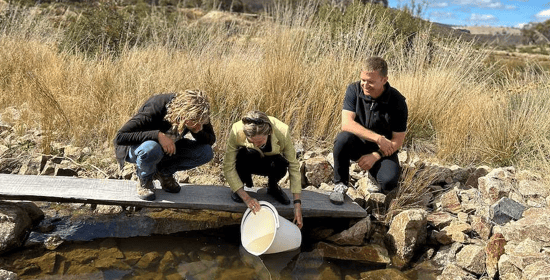
Charles Sturt University researchers are working with communities and partners to protect threatened species, improve river management and develop practical solutions that support healthier rivers and prosperous regional communities.
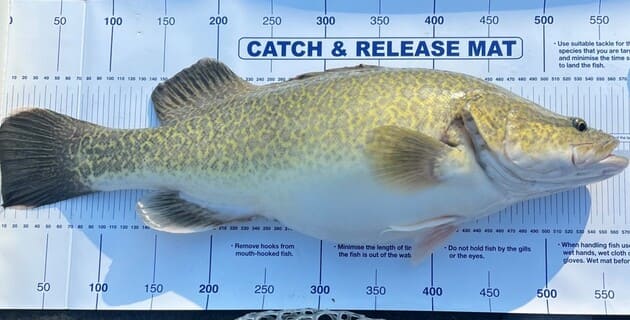
Charles Sturt researchers have identified and described Procamallanus australiensis, a nematode species previously unknown to science. The discovery expands knowledge of Australia’s freshwater biodiversity and provides an important foundation for fish health, conservation and biosecurity surveillance.

Digital health is now part of everyday healthcare, but universities have lacked a consistent national framework for teaching these essential skills. Charles Sturt researchers and educators have helped develop a new toolkit to prepare future health professionals for safe, effective and technology-enabled care.
When young people come into contact with the criminal justice system, the public conversation can quickly become dominated by labels: offender, delinquent, troublemaker. But what happens when we look beyond those labels and try to understand the experiences of the young people behind them?

Charles Sturt University is helping improve emissions transparency across the beer supply chain through a partnership with Asahi Beverages focused on barley production in Victoria’s Wimmera region.

Researchers at Charles Sturt University's School of Education are investigating ways to make education systems more inclusive, equitable, and responsive to modern challenges.

Research from Charles Sturt University’s Australian Graduate School of Policing and Security (AGSPS) and Centre for Law and Justice (CLJ) is influencing law reform at both state and national levels.

Professor Bing Wang is leading research with piglet models to determine exactly how components in human breast milk may affect neurodevelopment, neuroprotection and cognitive function in early life.
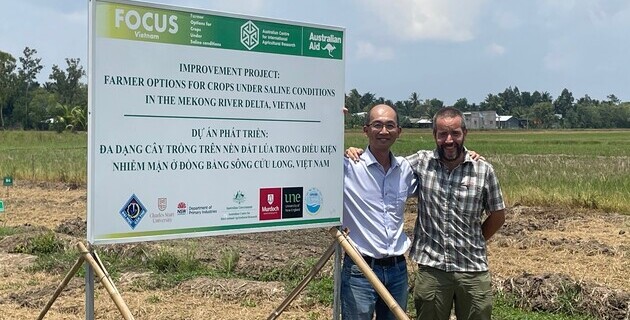
Soil researchers at Charles Sturt University and Can Tho University in southern Vietnam are working together to plot a more productive path forward for rice farmers and their farms in the Mekong River Delta.
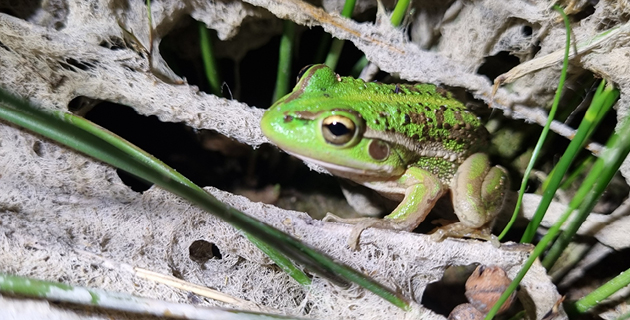
Professor Andrew Hall is leading an effort to improve the mapping of the Murray-Darling wetlands to inform water management planning and maximise the ecological benefits from limited environmental water flows.
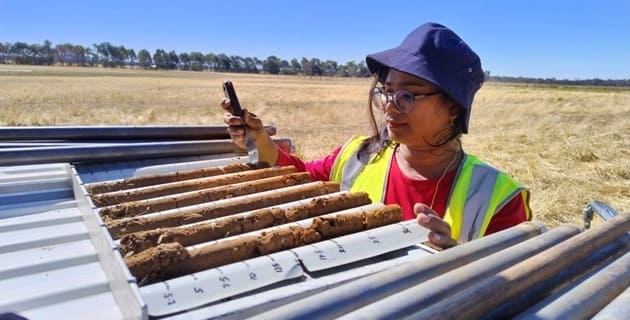
A new multi-phase study is exploring a promising, sustainable solution to soil salinity – using bio-fertiliser-based organic amendments to restore balance, improve nutrient uptake and reduce salt stress in crops.

Charles Sturt researchers have codeveloped the Australian Wine Industry Gender Equity Toolkit, a Wine Australia and Australian Grape & Wine resource to support the practical advancement of gender equity and inclusivity practices across the Australian wine sector.

Charles Sturt University’s Gulbali Institute named one of four key nodes for the Grains Research and Development Corporation’s landmark $47 million Weed Management Initiative.
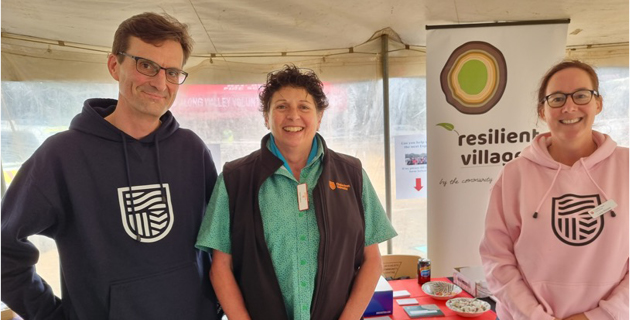
Action research supports Resilient Villages project to build disaster resilience in vulnerable Blue Mountains communities.
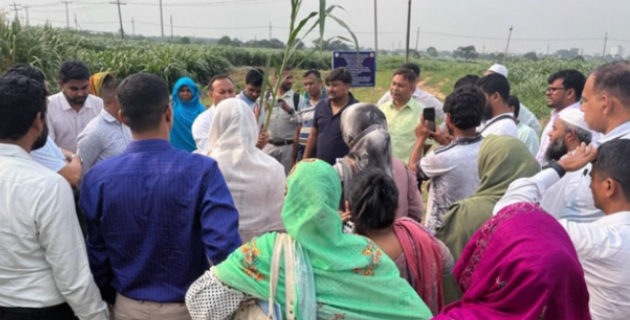
Professor Cameron Clark delivered a training program at the Bangladesh Livestock Research Institute to improve Napier grass management.

The Gulbali Institute-led FishTech Cambodia project was presented to the King, the Prime Minister and other senior officials during the National Ploughing Ceremony in Cambodia.
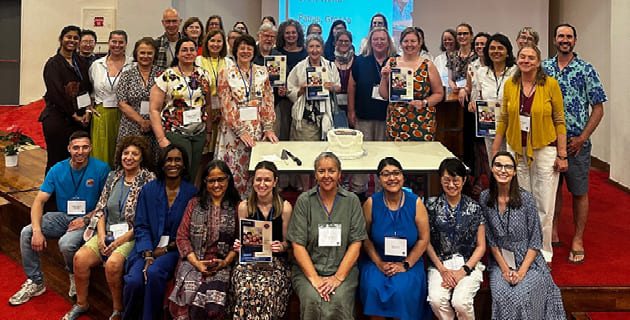
The Oxford Handbook of Speech Development in Languages of the World, edited by Distinguished Professor Sharynne McLeod, represents a landmark contribution to inclusive, multilingual speech research.
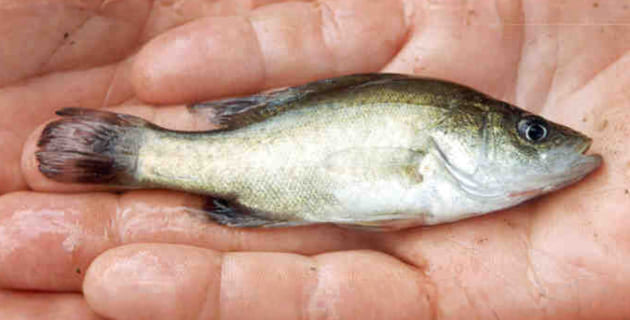
Researchers are tagging and acoustically tracking migrating fish in the Murray-Darling Basin to recover our native fish populations and revive our rivers.
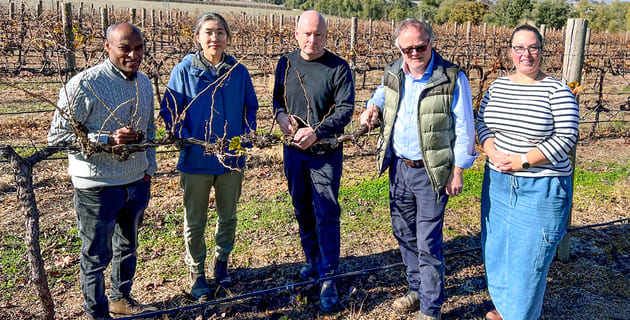
Winemakers, apple and cherry producers in the Central West, southern NSW and Tasmania will be better prepared for future droughts after a funding grant of $7.94 million was awarded to Charles Sturt University for a new research project.

Research highlights the potential of dsRNA-based biopesticides for sustainable agriculture.

Charles Sturt researchers are assessing how nature-based interventions may provide mental health benefits and could be structured to implement within existing mental health services.
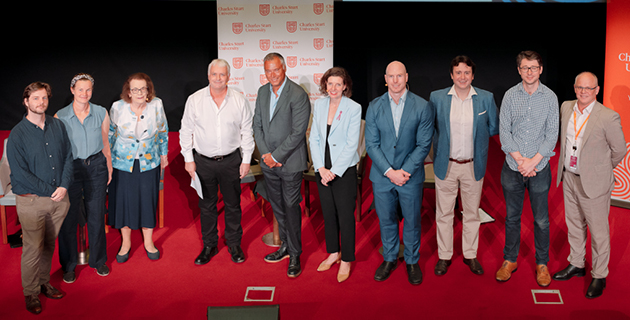
Charles Sturt University launched an Audit of the current state of Australian democratic life in February 2025.

Charles Sturt academics participate in research to reduce the debilitating effects of knee osteoarthritis.

The Cool Soil Initiative at Charles Sturt is a paddock-to-product partnership.
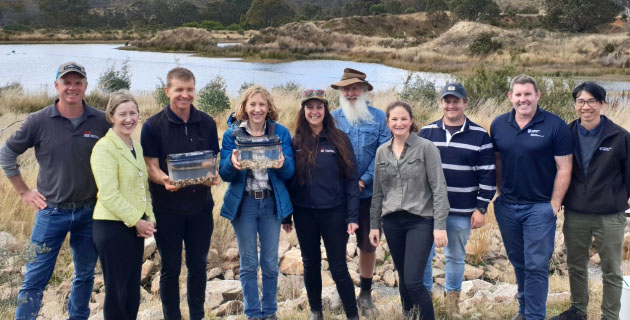
Researchers at the Gulabali Institute, led by Dr Amina Price, have successfully bred the critically endangered Stocky Galaxias in captivity for the second consecutive year.

Two leading Charles Sturt University researchers have been named in an annual celebration of Australian research excellence across 250 disciplines.

AI and Cyber Futures Senior Research Fellow and Program Lead of Defence and Cybersecurity, Dr Fendy Santoso, has successfully secured federal government funding to enhance the resilience of cybersecurity measures for unmanned aerial vehicle (UAV) systems.

Professor Allen Ross from the Rural Health Research Institute and colleagues have just published a ground-breaking NHMRC-funded trial that will help eliminate schistosomiasis in Asia.
Our Cool Soil Initiative has secured close to $2.1 million AUD to spearhead research in sustainable agriculture and expand the Initiative into new regions and commodities.